Boca Raton, FL

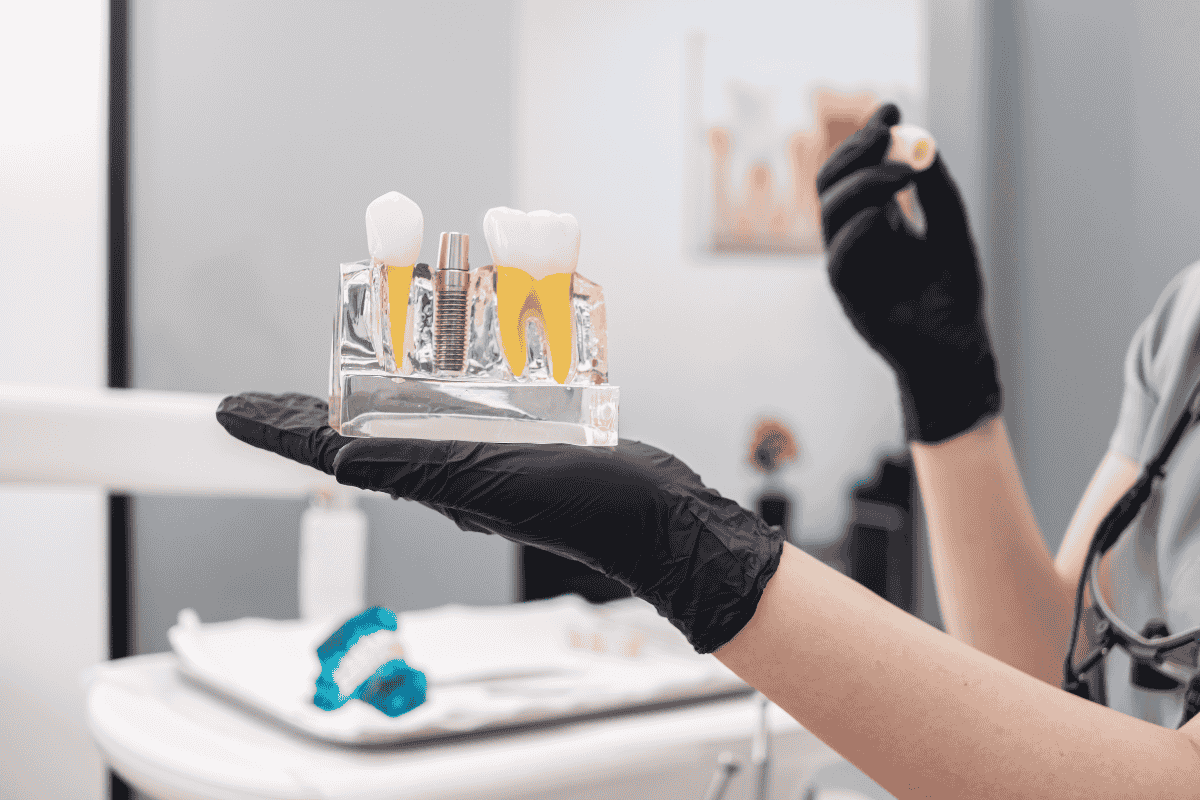
Dental implants have become one of the most trusted solutions for replacing missing teeth, offering long-term stability, comfort, and a natural appearance. But like natural teeth, implants still require proper care. One issue many patients don’t expect is a gum infection developing around the implant site.
When caught early, most implant-related infections can be treated successfully. However, ignoring the warning signs can lead to bone loss, implant instability, and even implant failure. If you recently received dental implants in Boca Raton or are considering the procedure, understanding the early symptoms of infection can help protect your oral health and your investment.
What Is a Gum Infection Around a Dental Implant?
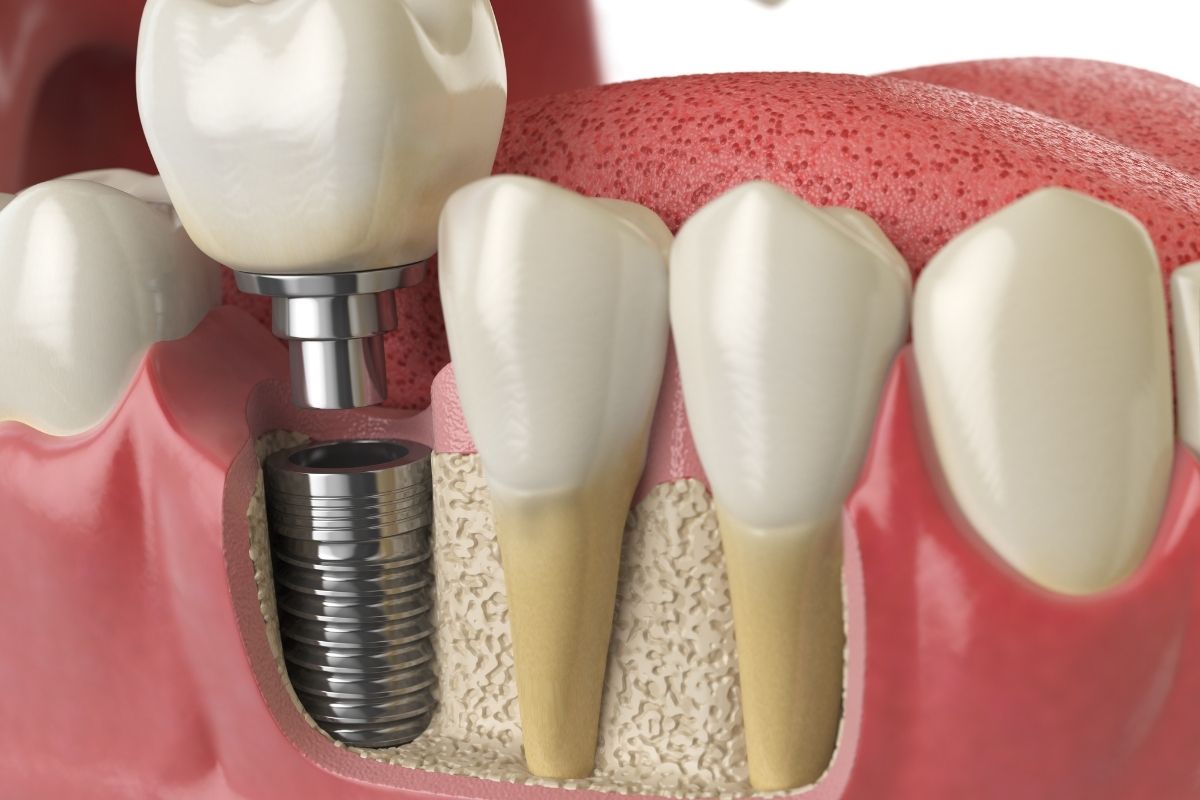
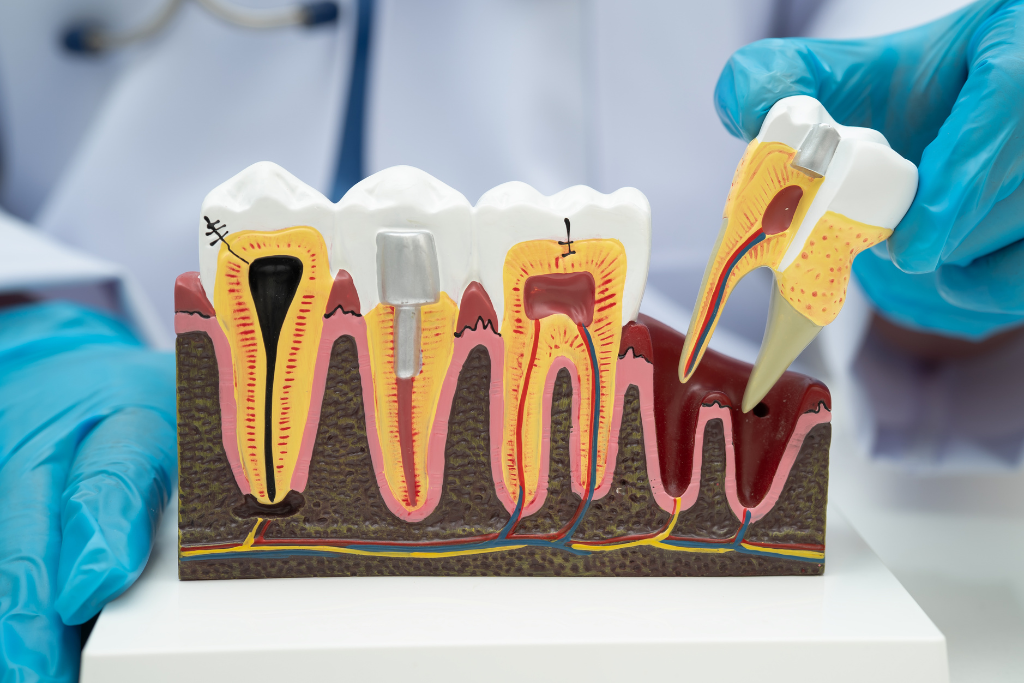
A gum infection around dental implants is commonly referred to as peri-implantitis. It happens when bacteria accumulate around the gum tissue surrounding the implant, causing inflammation and irritation. In more advanced cases, the infection can spread to the jawbone supporting the implant.
The condition often begins mildly and may not cause severe pain right away, which is why many patients overlook the early symptoms. Regular dental checkups and paying attention to subtle changes in your mouth are essential for long-term implant success.
Early Symptoms You Should Never Ignore
Recognizing the warning signs early can make a significant difference in treatment outcomes. Here are some of the most common symptoms patients experience:
Red or Swollen Gums
Healthy gums around an implant should appear pink and firm. If the tissue becomes red, tender, or swollen, it could indicate inflammation caused by bacterial buildup.
Bleeding While Brushing or Flossing
Minor bleeding may seem harmless, but persistent bleeding around an implant should not be ignored. It is often one of the earliest indicators of gum infection.
Bad Breath That Won’t Go Away
Chronic bad breath or a persistent unpleasant taste in your mouth can signal an underlying infection around the implant site.
Pain or Sensitivity
Some discomfort after implant surgery is normal, but pain that develops weeks or months later may indicate a problem. Sensitivity while chewing can also point to infection or bone loss around the implant.
Pus Around the Implant
Any discharge or pus near the gumline is a serious warning sign and should be evaluated immediately by an oral surgeon.
Loose Feeling Around the Implant
Dental implants are designed to function like natural tooth roots. If the implant feels unstable or loose, the supporting bone may already be affected.
Why Do Implant Infections Happen?
Several factors can increase the risk of gum infections around implants. Poor oral hygiene remains one of the leading causes, but it is not the only one.
Smoking significantly slows healing and increases bacterial growth. Patients with uncontrolled diabetes may also face a higher risk due to reduced immune function. In some cases, grinding or clenching teeth can place excessive pressure on the implant area.
In South Florida, many residents maintain active lifestyles and frequently consume acidic drinks such as coffee, sports beverages, and wine. Without proper oral hygiene habits, these factors can contribute to plaque accumulation around implants over time.
Patients who skip routine cleanings or delay follow-up visits are also more likely to develop complications. Even high-quality implants require ongoing maintenance to stay healthy.
How Implant Infections Are Diagnosed
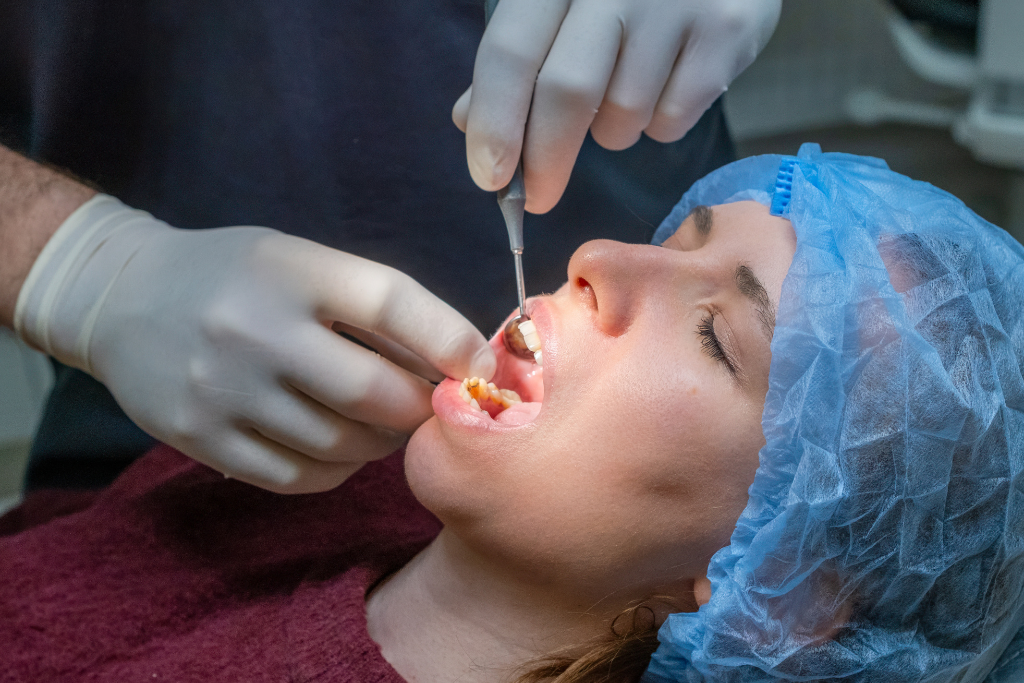
A professional evaluation is the only reliable way to confirm peri-implantitis. During your visit, an oral surgeon will examine the gums, check for inflammation, and evaluate bone levels using digital imaging.
In many cases, early-stage infections can be treated before significant damage occurs. The sooner the issue is identified, the better the chances of saving the implant.
Treatment Options for Gum Infection Around Implants
Treatment depends on the severity of the infection. Mild cases may respond well to deep cleaning and antibacterial therapy. Your oral surgeon may clean the implant surface thoroughly to remove bacteria and plaque buildup.
For more advanced infections, additional procedures may be needed to restore damaged bone or gum tissue. In severe situations where the implant becomes unstable, removal may be necessary before replacement can be considered.
This is why early detection matters. Patients who seek treatment quickly often avoid more extensive and costly procedures later.
How to Prevent Implant Infections
Good daily habits can dramatically reduce the risk of peri-implantitis. Fortunately, prevention is often straightforward and can help protect your implants for years to come.
Here are some important ways to reduce your risk of infection:
- Brush your teeth twice a day using a soft-bristle toothbrush
- Floss carefully around the implant area every day
- Use an antibacterial mouth rinse if recommended by your oral surgeon
- Schedule routine professional cleanings and implant checkups
- Avoid smoking or tobacco products that interfere with healing
- Limit sugary drinks and acidic beverages that contribute to plaque buildup
- Stay hydrated to help maintain healthy gum tissue
- Wear a night guard if you grind or clench your teeth
Routine dental visits are equally important because professional cleanings remove plaque and bacteria from areas that are difficult to reach at home.
For patients with dental implants in Boca Raton, preventive care becomes especially important because busy schedules and delayed dental visits can sometimes increase the risk of gum complications over time.
When Should You Call an Oral Surgeon?
You should contact an oral surgeon immediately if you notice swelling, bleeding, pus, persistent pain, or changes around your implant. Waiting too long can allow the infection to spread deeper into the bone.
Even if symptoms seem mild, an early evaluation provides peace of mind and may prevent more serious complications.
Protect Your Smile With Experienced Implant Care
Dental implants are designed to last for many years, but their success depends heavily on healthy gums and proper maintenance. Paying attention to early warning signs can help you avoid implant complications and preserve your smile for the future .At Boca Raton Oral Surgery Specialists, our team provides advanced care for patients experiencing implant concerns, gum inflammation, or implant-related infections. Whether you are considering treatment or already have dental implants in Boca Raton, we are committed to helping you maintain a healthy, confident smile. If you notice unusual symptoms around your implant, schedule an appointment today for a professional evaluation and personalized treatment plan.
FAQs
Can A Gum Infection Around A Dental Implant Go Away On Its Own?
No. Implant infections typically require professional treatment. Delaying care can allow the infection to worsen and affect the surrounding bone.
How Common Are Infections After Dental Implants?
Implant infections are relatively uncommon when proper oral hygiene and routine follow-up care are maintained. However, smoking and poor oral hygiene can increase the risk.
Is Bleeding Around A Dental Implant Normal?
Occasional mild irritation may happen, but persistent bleeding should always be evaluated by a dental professional.
Can Dental Implants Fail Because Of Gum Disease?
Yes. Advanced peri-implantitis can damage the bone supporting the implant, potentially leading to implant failure.
How Can I Keep My Dental Implants Healthy Long Term?
Daily brushing, flossing, routine dental cleanings, and avoiding tobacco products are among the best ways to protect dental implants in Boca Raton and maintain long-term oral health.