Boca Raton, FL

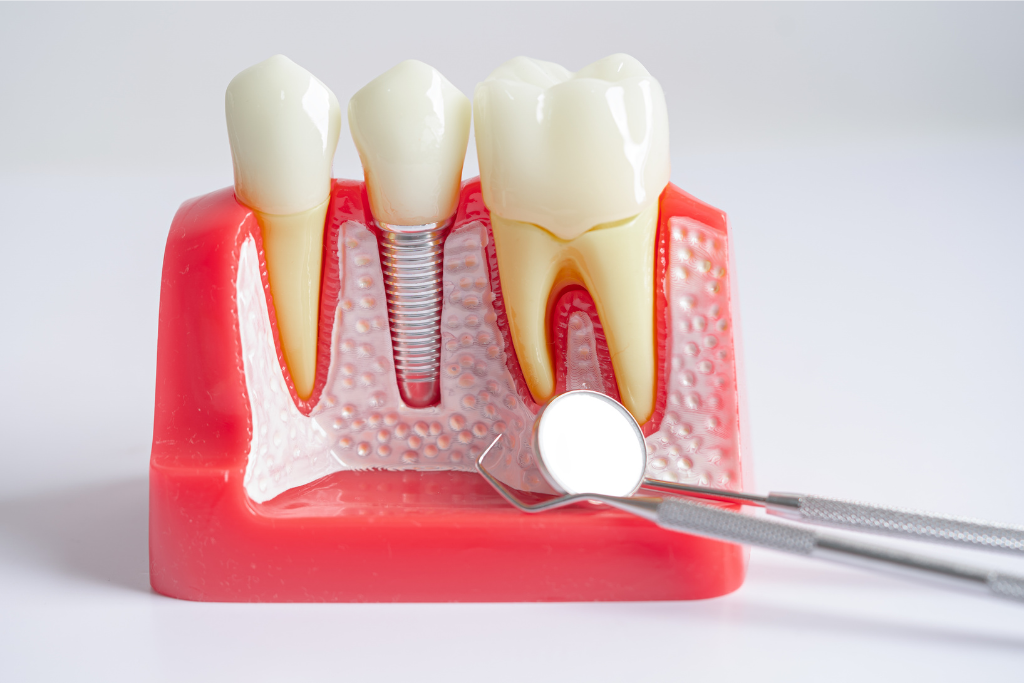
Dental implants are designed to be a long-term solution for missing teeth, restoring both function and confidence. But like any medical procedure, complications can happen. Recognizing early warning signs can make the difference between saving your implant and needing more extensive treatment. If you’ve invested in dental implants, knowing what to watch for is essential to protecting your oral health.
In South Florida, where active lifestyles, humid weather, and year-round social events are part of daily life, maintaining your smile is more than just cosmetic; it’s part of your confidence. Patients who choose dental implants in Boca Raton expect durability and reliability, but early detection of issues is key to ensuring long-term success.
What Does Dental Implant Failure Mean?
Dental implant failure occurs when the implant doesn’t properly integrate with the jawbone or begins to deteriorate after successful placement. This can happen shortly after surgery (early failure) or even years later (late failure). The good news? Most failures are preventable or treatable especially when caught early.
Early Warning Signs You Should Never Ignore
Understanding the symptoms of a failing implant can help you act quickly. While some discomfort is normal during healing, persistent or worsening symptoms should raise concern.
One of the most common red flags is ongoing pain or discomfort beyond the expected healing period. Mild soreness is typical after surgery, but sharp or increasing pain could signal infection or improper integration.
Another sign is swelling or inflamed gums around the implant site. In Boca Raton’s warm climate, bacteria can thrive more easily if oral hygiene slips, increasing the risk of peri-implantitis, a condition similar to gum disease that affects implants.
You may also notice mobility or looseness in the implant. Unlike natural teeth, implants should feel completely stable. Any movement is a serious warning sign that requires immediate attention.
Finally, watch for difficulty chewing or pressure sensitivity. If your bite feels off or uncomfortable, it could indicate structural issues with the implant or surrounding bone.
Why Do Dental Implants Fail?
Even though success rates are high, certain risk factors can increase the chances of failure. Poor oral hygiene is one of the leading causes, allowing bacteria to build up around the implant. Smoking, underlying health conditions like diabetes, and insufficient bone density can also compromise healing.
In coastal communities like Boca Raton, lifestyle habits such as frequent dining out or consuming sugary beverages can unintentionally affect oral health. Regular dental checkups become even more important in preventing complications.
What to Do Immediately If You Notice Symptoms
If you suspect something isn’t right, don’t wait. Acting quickly can often save the implant and prevent further damage.
- Schedule an evaluation right away: Early diagnosis allows your oral surgeon to identify whether the issue is minor inflammation or a more serious complication.
- Avoid putting pressure on the implant: Stick to softer foods and avoid chewing on the affected side until you’re evaluated.
Prompt care is especially important for patients with dental implants in Boca Raton, where access to experienced specialists makes early intervention both convenient and effective.
Can a Failing Implant Be Saved?
In many cases, yes. Treatment depends on the cause and severity of the problem. For infections like peri-implantitis, deep cleaning and antibacterial therapy may resolve the issue. If bone loss has occurred, procedures such as bone grafting can sometimes restore stability.
However, in more advanced cases, the implant may need to be removed and replaced after healing. While that may sound concerning, modern techniques make replacement procedures highly successful when handled early.
How to Prevent Dental Implant Failure
Prevention always beats treatment. Maintaining excellent oral hygiene brushing, flossing, and routine professional cleanings is essential. Regular dental visits allow your provider to monitor the implant and catch potential issues before they escalate.
Living in Boca Raton also means staying hydrated and being mindful of diet choices. Limiting sugary snacks and acidic drinks can help protect both natural teeth and implants. Patients who follow consistent care routines typically enjoy long-lasting results from their dental implants in Boca Raton.
When to See a Specialist
If you experience pain, swelling, or any unusual changes around your implant, it’s time to consult a specialist. Waiting too long can turn a manageable issue into a complex procedure.
At Boca Raton Oral Surgery Specialists, patients receive personalized care tailored to their specific needs. Whether it’s a routine checkup or an urgent concern, early intervention is the key to preserving your smile.
Restore Confidence with Timely Implant Care
Dental implants are a powerful investment in your oral health but like any investment, they require attention and care. Recognizing early warning signs and acting quickly can save you time, discomfort, and additional costs.
If you’re experiencing any symptoms or want peace of mind about your implant’s health, trust the experienced team at Boca Raton Oral Surgery Specialists.
Schedule your consultation today and take the first step toward protecting your smile for years to come.
Frequently Asked Questions
How Do I Know If My Dental Implant Is Failing?
Common signs include pain, swelling, looseness, and difficulty chewing. If symptoms persist beyond normal healing, seek professional evaluation.
Is Dental Implant Failure Common?
No, dental implants have a high success rate. Failures are relatively rare and often linked to preventable factors like poor oral hygiene or smoking.
Can An Infected Dental Implant Be Treated?
Yes, early-stage infections can often be treated with deep cleaning and antibiotics. Advanced cases may require surgical intervention.
How Quickly Should I Act If I Notice Symptoms?
Immediately. Early treatment significantly increases the chances of saving the implant.
Are Dental Implants Still A Good Option If One Fails?
Absolutely. With proper care and evaluation, replacement implants can be just as successful.