

Boca Raton, FL
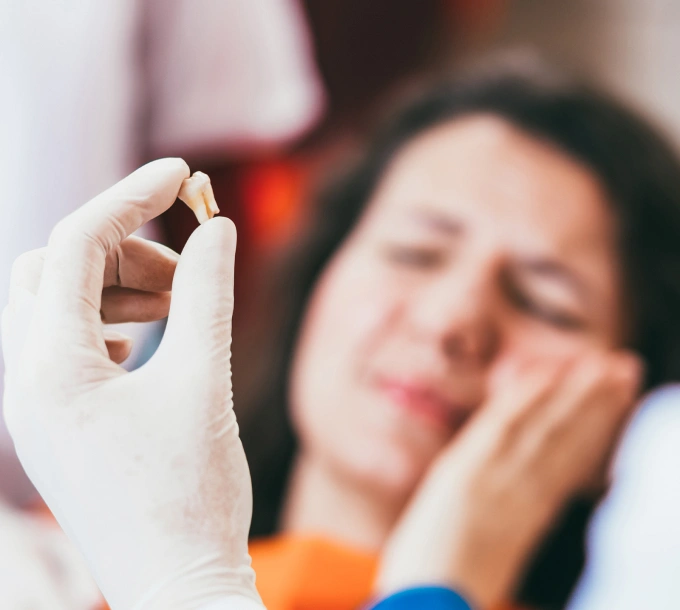
Expert Tooth Extraction for Better Oral Health
You may need a tooth extraction if you have overcrowded, severely damaged, or diseased teeth. A dental professional can assess your situation and perform the procedure quickly and efficiently if extraction is necessary.
Signs You May Need a Tooth Extraction
Maintaining good oral health is essential not only for a bright smile but also to prevent the spread of oral diseases between your teeth and gums. While regular brushing and flossing are widely understood as important, you might not be aware of the signs indicating that a tooth extraction could be necessary. Common symptoms include:
- Overcrowded teeth that have grown too large or too close together to fit comfortably
- Severely cracked or damaged teeth
- Diseased teeth with infected or damaged pulp
In any of these cases, a thorough examination of your teeth and gums will help determine if extraction is needed. For impacted teeth, your dentist may need to remove some gum tissue to access and extract the tooth properly. If a tooth is infected or damaged, a root canal might be recommended to prevent infection from spreading to surrounding healthy teeth.
What to Expect During Tooth Removal
On the day of your tooth removal, a thorough examination—including an X-ray if needed—will be performed to ensure your mouth is ready for the procedure. After numbing and sedating your mouth, the oral surgeon will carefully cut away gum tissue surrounding the impacted tooth and gently extract it from the jaw. Once the tooth is removed, the area will be cleaned, and the incision will typically be closed with stitches and covered with gauze.
You should not feel any pain during the procedure, and many patients report immediate relief from discomfort caused by the impacted tooth. Following the extraction, you’ll be advised to avoid smoking, alcohol, and solid foods for at least 24 hours. Pain medications and antibiotics may be prescribed to support your recovery.
If you experience persistent pain, bleeding, or any other concerns, please contact us promptly for a follow-up appointment.