Boca Raton, FL

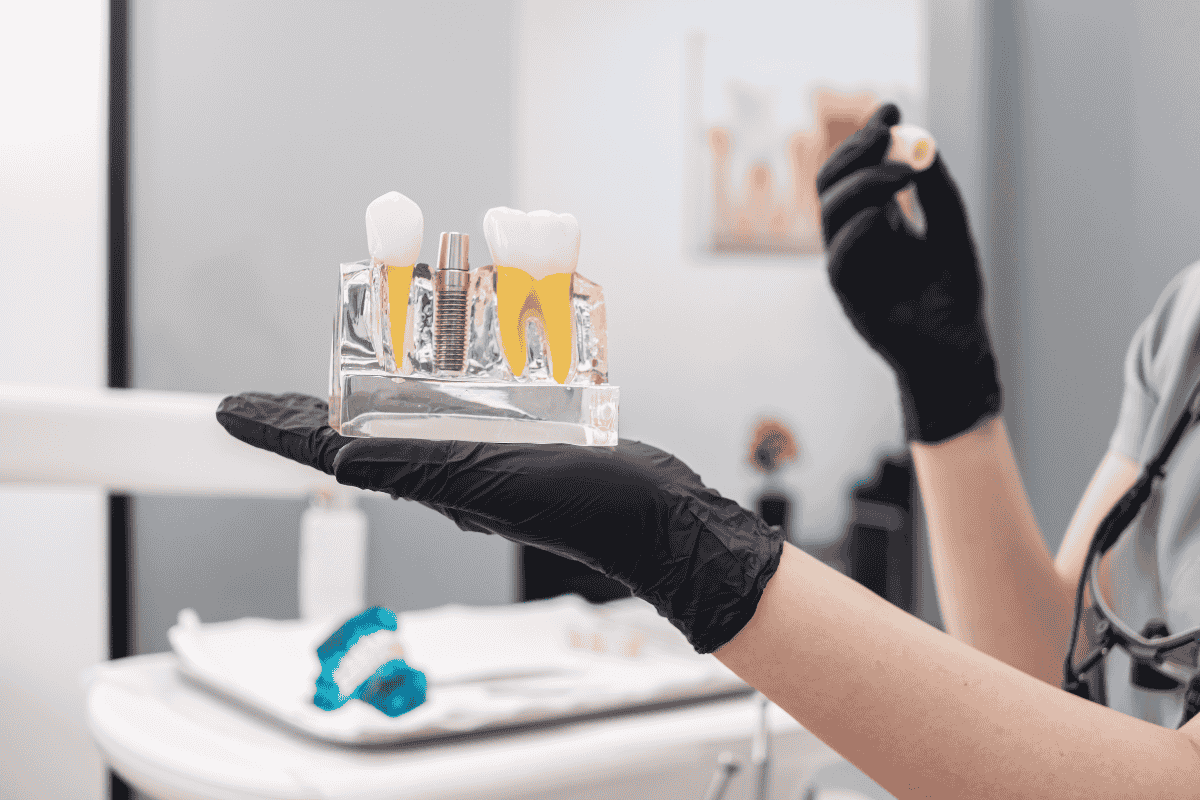
Dental implants are one of the most dependable solutions for replacing missing teeth and restoring a confident smile. They look natural, function like real teeth, and can last for decades when properly maintained. Still, even successful procedures can develop complications over time. Recognizing the early warning signs of implant failure is essential for protecting your oral health and avoiding more serious problems later.
Patients considering or already living with dental implants should understand that unusual symptoms should never be ignored. While implant procedures have a high success rate, issues such as infection, bone loss, or implant instability can happen if problems are left untreated. Many people researching dental implants in Boca Raton want to know how to recognize early signs of failure before discomfort turns into a larger dental issue.
What Causes Dental Implant Failure?
Dental implant failure can occur shortly after surgery or years later. Early failure is often connected to poor healing, infection, or inadequate bone support. Late-stage complications may develop because of gum disease, smoking, teeth grinding, or excessive pressure placed on the implant over time.
In a community like Boca Raton, where residents value both oral health and appearance, patients often expect long-lasting cosmetic and functional results. That is why routine checkups and proper maintenance are critical for preserving the success of dental implants.
Persistent Pain That Does Not Improve
Some soreness after implant surgery is completely normal. Mild discomfort usually fades within a few days as the area heals. However, pain that continues for weeks or suddenly returns after healing may indicate a serious issue.
Persistent pain around the implant can signal infection, nerve irritation, or failure of the implant to integrate properly with the jawbone. Patients should pay close attention if discomfort worsens while chewing or speaking. Ignoring pain can allow complications to progress and may eventually impact nearby teeth and bone tissue.
Swollen or Bleeding Gums
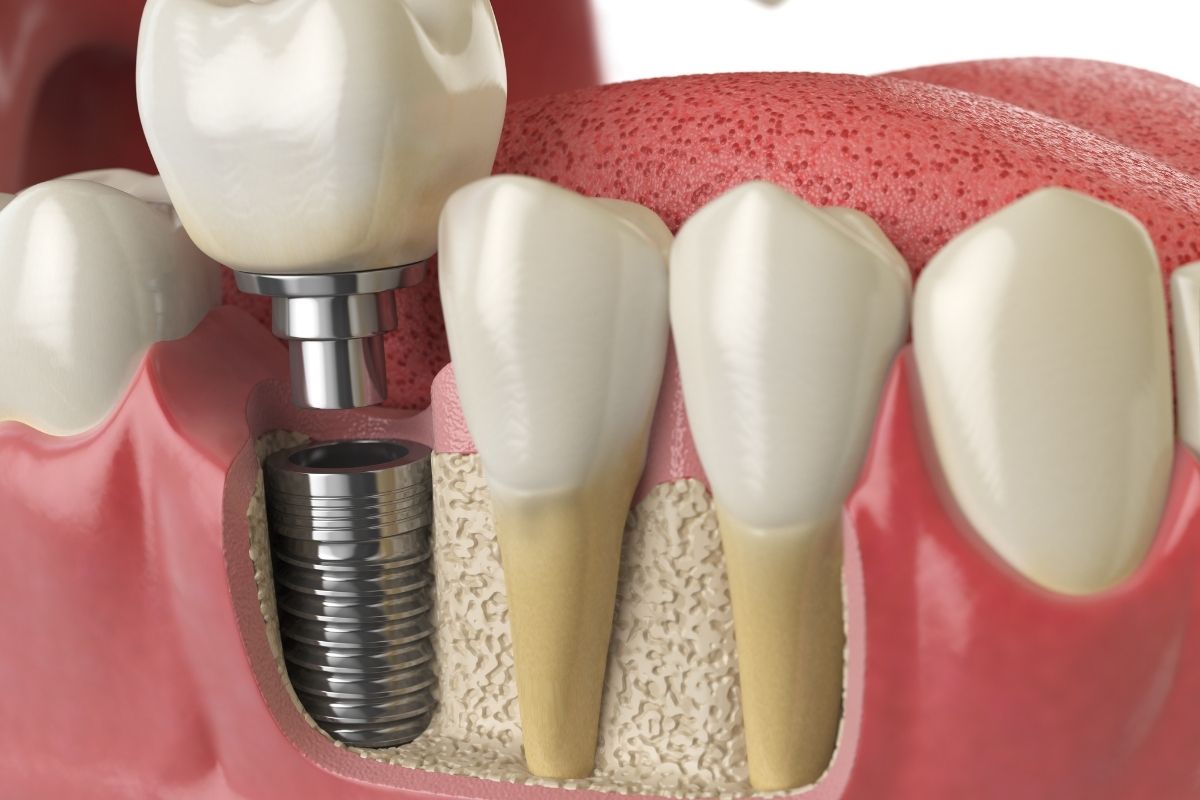
Healthy gum tissue should fit tightly around a dental implant. Redness, swelling, tenderness, or bleeding around the implant site may point to peri-implantitis, a condition similar to gum disease that affects the tissues surrounding the implant.
This issue develops when bacteria accumulate beneath the gums, leading to inflammation and possible bone loss. In Boca Raton, where many residents enjoy active social lifestyles, healthy-looking gums and a confident smile are important for everyday interactions. Treating gum inflammation early can often prevent long-term implant complications.
A Loose or Moving Implant
A dental implant should feel stable and secure at all times. Unlike removable dentures, implants are designed to function like natural tooth roots. If the implant begins to shift, wobble, or feel loose, it should be evaluated immediately.
Movement often indicates that the implant failed to fuse correctly with the jawbone or that bone deterioration has occurred around the implant. Patients should never assume looseness is temporary because the condition typically worsens without treatment.
Difficulty While Chewing
Changes in chewing comfort are another warning sign that should not be overlooked. An implant that suddenly feels painful or sensitive while eating may indicate inflammation, bite misalignment, or structural instability.
Whether enjoying fresh seafood near Mizner Park or dining with family at one of Boca Raton’s popular waterfront restaurants, eating should not become uncomfortable because of an implant issue. Problems during chewing often appear before more severe complications develop.
Gum Recession Around the Implant
Gum recession can expose parts of the implant and create an unhealthy appearance. More importantly, it may be a sign of infection or bone loss beneath the gumline.
Patients should watch for subtle changes in the appearance of the implant area. If the implant begins to look longer or the gums appear uneven, an oral surgery evaluation is recommended. Addressing gum recession early can help preserve surrounding tissue and improve treatment outcomes.
Bad Breath or an Unpleasant Taste
Persistent bad breath or a lingering bad taste in the mouth may indicate bacterial buildup around the implant. Infection beneath the gums can create odors that do not improve with brushing, flossing, or mouthwash.
Many patients initially dismiss these symptoms as routine oral hygiene concerns, but chronic odor around an implant should never be ignored. Early diagnosis can help stop the infection before it causes extensive damage.
Why Early Treatment Is So Important
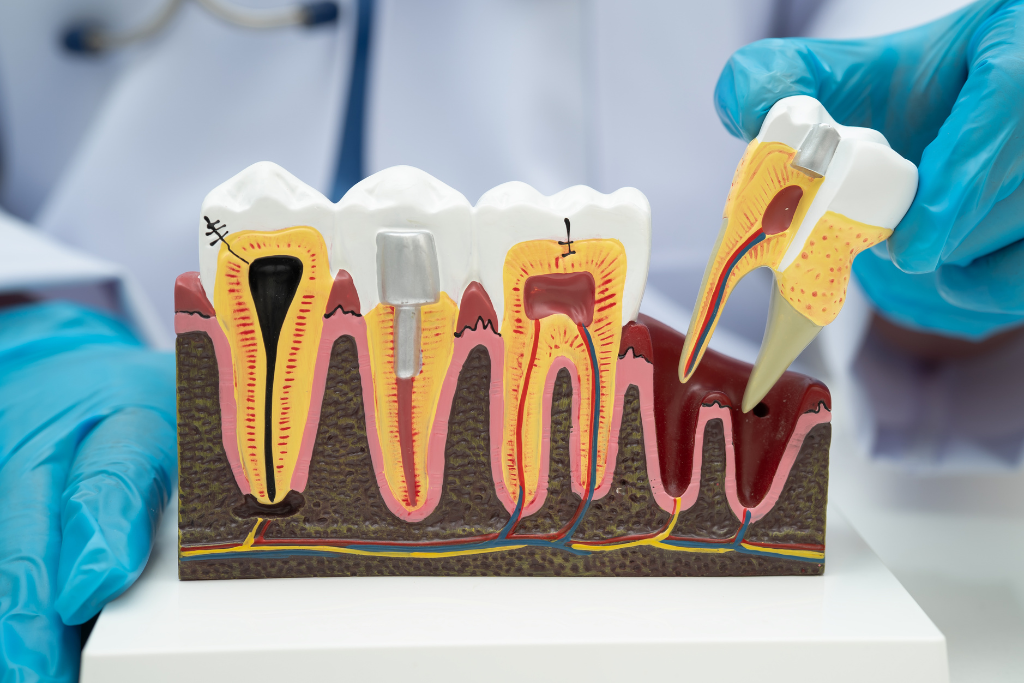
Delaying treatment for a failing implant can lead to serious complications, including advanced bone loss, gum recession, and damage to neighboring teeth. In severe cases, the implant may need to be removed completely before additional restorative treatment can begin.
Fortunately, modern imaging and diagnostic technology allow oral surgeons to detect implant complications early. Fast intervention can often save the implant or reduce the complexity of future procedures.
Common Risk Factors for Dental Implant Failure
- Poor oral hygiene
- Smoking or tobacco use
- Untreated gum disease
- Teeth grinding (bruxism)
- Diabetes or certain medical conditions
- Skipping routine dental checkups
- Low jawbone density
- Excessive pressure on the implant
Patients seeking dependable care for dental implants in Boca Raton should choose an experienced oral surgery team that focuses on both function and long-term oral health.
How to Protect Your Dental Implants
Maintaining good oral hygiene is one of the best ways to support implant success. Brushing, flossing, and attending regular dental visits help prevent infection and protect surrounding gum tissue.
Lifestyle habits also play a major role. Smoking, uncontrolled grinding, and neglecting professional cleanings can increase the likelihood of implant complications. Patients who commit to consistent maintenance often enjoy stable, healthy implants for many years.
Choosing a qualified provider for dental implants in Boca Raton can also significantly improve treatment success and long-term outcomes.
When Should You Contact an Oral Surgeon?
If you notice swelling, pain, gum recession, implant movement, or difficulty chewing, it is important to seek professional care as soon as possible. Implant problems rarely improve without treatment, and waiting too long may lead to more extensive procedures.
At Boca Raton Oral Surgery Specialists, patients receive personalized care focused on long-term comfort, function, and confidence. Whether you are experiencing symptoms of implant failure or exploring restorative options, the experienced team is committed to helping Boca Raton patients protect their smiles. Schedule an appointment today to receive expert evaluation and trusted surgical care.
Frequently Asked Questions
Can a failed dental implant be saved?
In some cases, yes. Minor infections or early complications may be treatable if detected quickly. Severe cases involving significant bone loss may require implant removal and additional procedures.
How common is dental implant failure?
Dental implants are highly successful, with success rates often exceeding 95 percent. However, smoking, gum disease, and poor oral hygiene can increase the risk of complications.
Is it normal for an implant to hurt years later?
No. Pain that develops long after healing is not considered normal and should be evaluated by an oral surgeon promptly.
What happens if a dental implant becomes loose?
A loose implant is usually a sign of implant instability or bone loss. Immediate professional evaluation is recommended to prevent further damage.
Can gum disease affect dental implants?
Yes. Peri-implantitis is a form of gum disease that affects dental implants and may lead to bone deterioration and implant failure if left untreated.