Boca Raton, FL

Getting a dental implant is one of the best decisions you can make for your long-term oral health. But the procedure itself is only half the equation. What you do and don’t do in the days and weeks that follow has a direct impact on how well and how quickly you heal. For patients who’ve received dental implants in Boca Raton, recovery looks a little different than it might elsewhere in the country. The heat, the lifestyle, and the local food scene all factor in. Here’s what you need to know to give your implant the best possible start.
What’s Actually Happening During Recovery
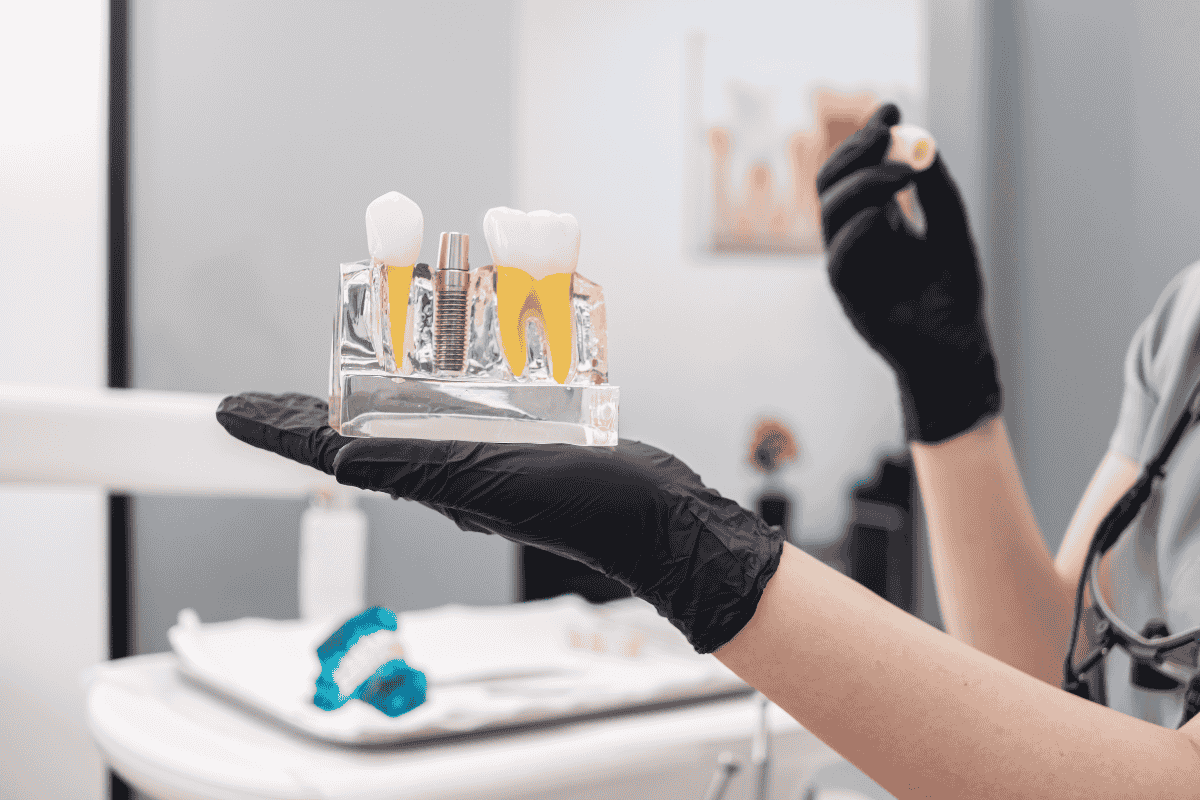
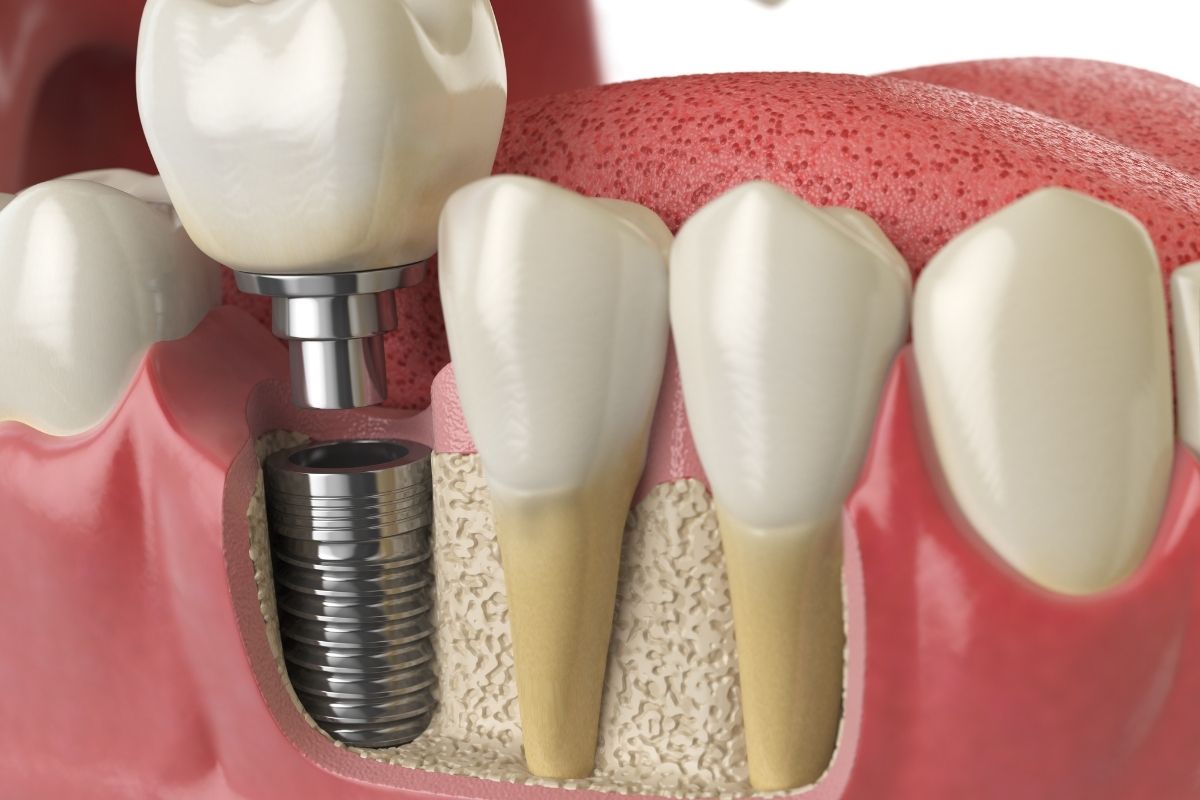
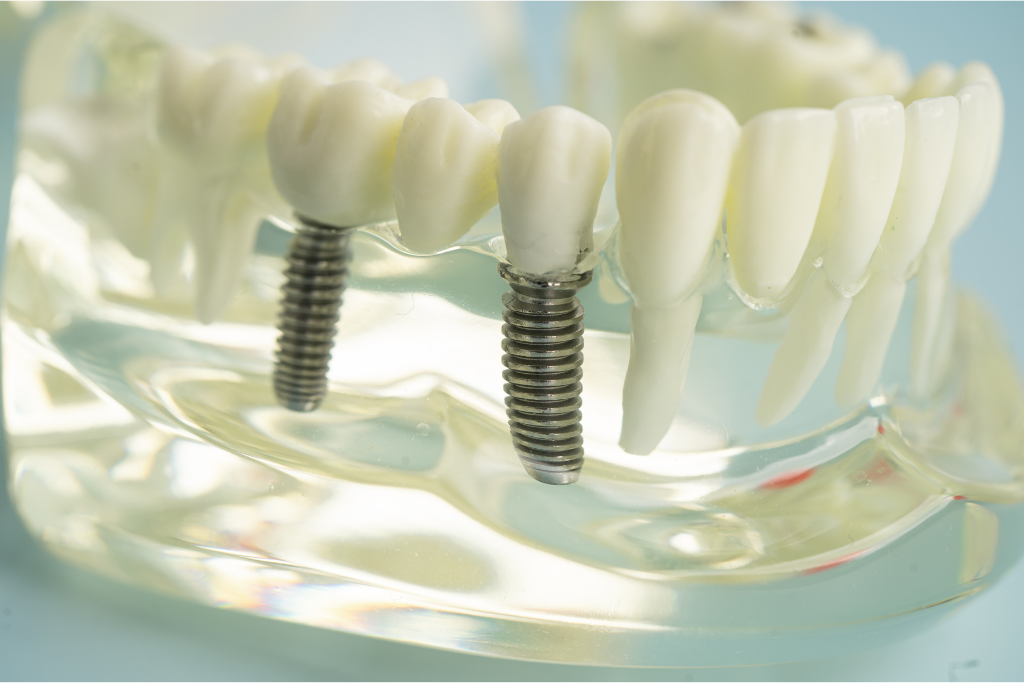
Before diving into specifics, it helps to understand what your body is working on. After Dental implants surgery, a process called osseointegration begins. This is where the titanium post gradually fuses with your jawbone over the course of several weeks to a few months. The bone essentially grows around the implant, creating a foundation as solid as a natural tooth root.
This process can’t be rushed, but it can absolutely be disrupted. That’s why aftercare isn’t just about managing discomfort, it’s about protecting a biological process happening beneath the surface.
The Do’s: What Supports a Strong Recovery
Do Manage Swelling Proactively
Some swelling and mild bruising in the first 48 to 72 hours is completely normal. Apply an ice pack to the outside of your face in 20-minute intervals during the first day. After 48 hours, switch to warm compresses if swelling persists. Keeping your head slightly elevated even while sleeping helps reduce fluid buildup around the surgical site.
Do Eat Soft, Nutrient-Rich Foods
Your diet during recovery matters more than most people realize. Stick to soft options like scrambled eggs, yogurt, mashed sweet potatoes, smoothies, and well-cooked fish. In South Florida, we’re fortunate to have easy access to fresh, soft tropical fruits like ripe mango, papaya, and avocado all excellent recovery-friendly choices that also pack nutritional value to support tissue repair.
Do Keep The Area Clean – Gently
Starting the day after surgery, rinse carefully with a warm saltwater solution. This helps keep bacteria at bay without disturbing the healing tissue. If your surgeon prescribed a medicated rinse, use it exactly as directed. Avoid vigorous swishing.
Do Take Prescribed Medications As Scheduled
Whether it’s an antibiotic, anti-inflammatory, or pain medication, take it on time even if you’re feeling okay. Staying ahead of inflammation is much easier than trying to bring it down once it’s escalated.
Do Rest, Especially In The First 48 Hours
This one gets skipped more often than it should, particularly among active patients in Boca Raton who are used to staying on the move. Resist the urge to get back to your routine immediately. Light walking is fine, but exercise, heavy lifting, and anything that significantly raises your heart rate should wait at least a week.
The Don’ts: What Can Set You Back
Don’t Smoke Or Use Tobacco Products
This is non-negotiable. Nicotine constricts blood vessels and significantly slows the healing process, increasing the risk of implant failure. If there’s ever a time to stop or at least take a serious break this is it. Your surgeon will likely ask you to abstain for a minimum of two weeks post-surgery, though longer is always better.
Don’t Use A Straw
The suction created by straw drinking can dislodge the blood clot that forms at the surgical site, much like the dry socket risk after a tooth extraction. Skip the straw for at least the first week.
Don’t Eat Hard, Crunchy, Or Spicy Foods
It can be tempting especially living near so many great local restaurants in downtown Boca Raton or along Federal Highway but hard foods like chips, crusty bread, and raw vegetables put mechanical stress on the implant site before it’s ready. Spicy foods can irritate the tissue and delay healing. Give yourself a few weeks before returning to your usual favorites.
Don’t Skip Follow-Up Appointments
Post-op visits exist for a reason. Your oral surgeon needs to verify that osseointegration is progressing, check for any early signs of infection, and confirm the implant site is responding well. These appointments aren’t optional extras; they’re a core part of the procedure.
Don’t Ignore Unusual Symptoms
Mild discomfort and minor swelling are expected. What’s not normal: worsening pain after day three, a bad taste or smell from the surgical area, noticeable movement of the implant, or fever. If any of these occur, contact your oral surgeon promptly. Catching a complication early almost always leads to a simpler, faster resolution.
How Long Does Recovery Actually Take?
Most patients feel back to normal within one to two weeks. Soft tissue heals relatively quickly; the deeper osseointegration process, however, takes anywhere from three to six months. During that time, you can live normally and resume most activities, but it’s worth checking with your surgeon before returning to contact sports or high-impact exercise. The final crown is typically placed once the implant has fully integrated with the bone.
Your Recovery Starts With the Right Team
Aftercare matters but so does who performs your procedure in the first place. Patients who choose dental implants in Boca Raton through a board-certified oral surgery practice benefit from detailed pre-surgical planning, precision placement, and guided recovery support every step of the way.
At Boca Raton Oral Surgery Specialists, we work closely with each patient to make the entire experience from consultation through full healing as clear and comfortable as possible. We proudly serve Boca Raton and surrounding communities including Delray Beach, Deerfield Beach, Boynton Beach, and throughout Palm Beach County.
Ready to move forward, or have questions about your recovery? Contact Boca Raton Oral Surgery Specialists today and schedule your consultation today.
FAQs
What Foods Should I Eat After Getting A Dental Implant?
You should stick to soft, nutrient-rich foods like yogurt, scrambled eggs, smoothies, mashed potatoes, and soft fruits. These foods support healing while avoiding pressure on the implant site.
Can I Smoke After Dental Implant Surgery?
No, smoking should be avoided completely. Nicotine restricts blood flow, slows healing, and significantly increases the risk of implant failure. It’s recommended to avoid tobacco for at least two weeks, but longer is better.
What Activities Should I Avoid During Recovery?
You should avoid heavy exercise, lifting, and any activity that raises your heart rate for at least a week. Also, avoid using straws and eating hard or spicy foods, as these can disrupt healing.
What Are The Warning Signs Of Complications After A Dental Implant?
You should contact your oral surgeon if you notice worsening pain after day three, fever, a bad taste or smell from the surgical site, or any movement of the implant, as these could indicate complications.