Boca Raton, FL

There’s a common assumption that wisdom teeth are a problem only for teenagers and young adults. But the reality is that wisdom teeth removal near me in Boca Raton is something we perform regularly on patients well into their 30s, 40s, and beyond. The reasons wisdom teeth cause trouble don’t disappear just because you’ve passed a certain birthday and in some ways, the conversation about whether to remove them becomes more important, not less, as you get older.
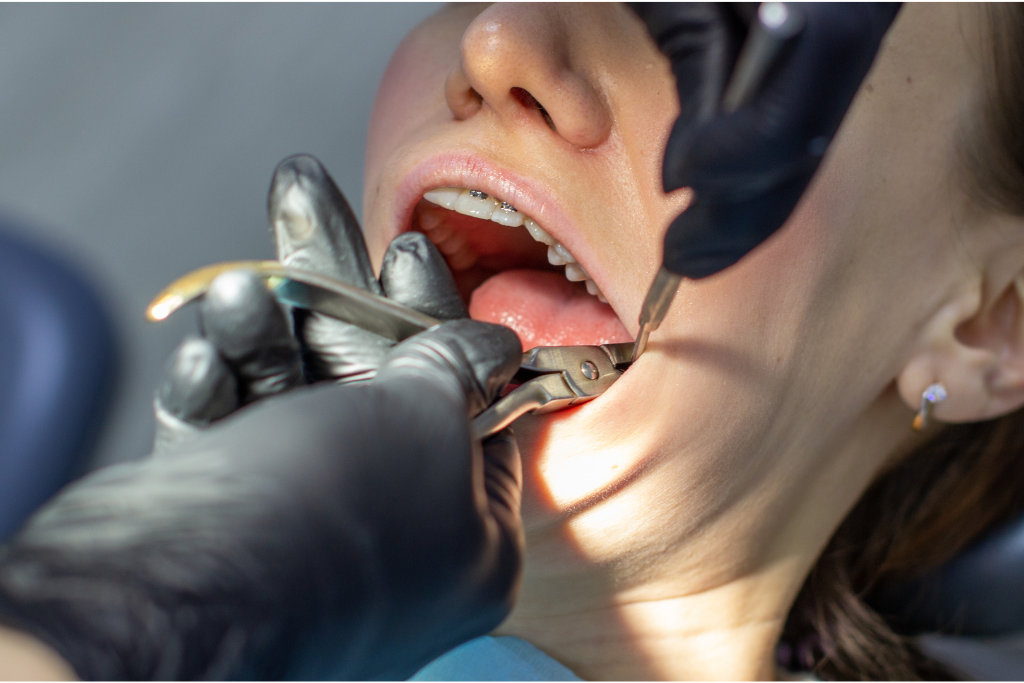
The wisdom teeth removal procedure is generally more complex in older patients than in teenagers, for reasons rooted in biology. In younger patients, the roots are not yet fully formed and the surrounding bone is more pliable. By the time a person reaches their 30s, the roots are typically longer, more curved, and fully embedded in denser bone. This doesn’t make removal impossible. Our oral surgeons are experienced in complex extractions but it does mean recovery can take a bit longer and the potential for complications is modestly higher.
Many adults are surprised to learn that wisdom teeth can remain problem-free for years and then suddenly begin causing issues. A tooth that seemed harmless throughout your 20s may become a source of infection, gum disease, or damage to nearby teeth later in life. This is one reason routine monitoring remains important, even when symptoms are absent.
Why Adults Often Still Have Their Wisdom Teeth
Many adults in Boca Raton made it to their 30s with wisdom teeth that weren’t causing obvious problems. Maybe they came in partially, maybe they stayed impacted and quiet, or maybe a previous dentist said to just watch them. The “watch and wait” approach is reasonable in some cases, but it has limits. Silent wisdom teeth can develop cysts, erode neighboring molars, and slowly shift the alignment of surrounding teeth all without causing the pain that would normally trigger a patient to seek care.
Professional Wisdom Teeth Care means evaluating not just how your wisdom teeth look today but what trajectory they’re on. An updated panoramic X-ray can reveal bone loss around a wisdom tooth, cyst formation, or root contact with the adjacent molar, all findings that would argue strongly for removal regardless of symptoms.
In many cases, patients discover problems during a routine dental exam rather than because of discomfort. By the time pain develops, damage may already have occurred. Early evaluation allows oral surgeons to identify concerns before they become more complicated and expensive to treat.
Some of the most common hidden issues associated with retained wisdom teeth include:
- Decay developing between the wisdom tooth and neighboring molar
- Gum infections caused by bacteria trapped around partially erupted teeth
These problems often progress slowly and silently, making regular imaging an important part of long-term oral health planning.
Signs It May Be Time for an Evaluation
Even if your wisdom teeth have never caused noticeable discomfort, certain symptoms may indicate it’s time for a professional assessment. Adults often dismiss mild symptoms because they come and go, but recurring issues can point to underlying problems.
You may benefit from an evaluation if you experience:
- Occasional swelling or tenderness near the back of your jaw
- Difficulty cleaning behind your last molars
- Food frequently becoming trapped around wisdom teeth
- Persistent bad breath despite good oral hygiene
- Jaw stiffness or discomfort when chewing
These symptoms don’t automatically mean extraction is necessary, but they do warrant a closer look.
What to Expect from the Procedure After 30
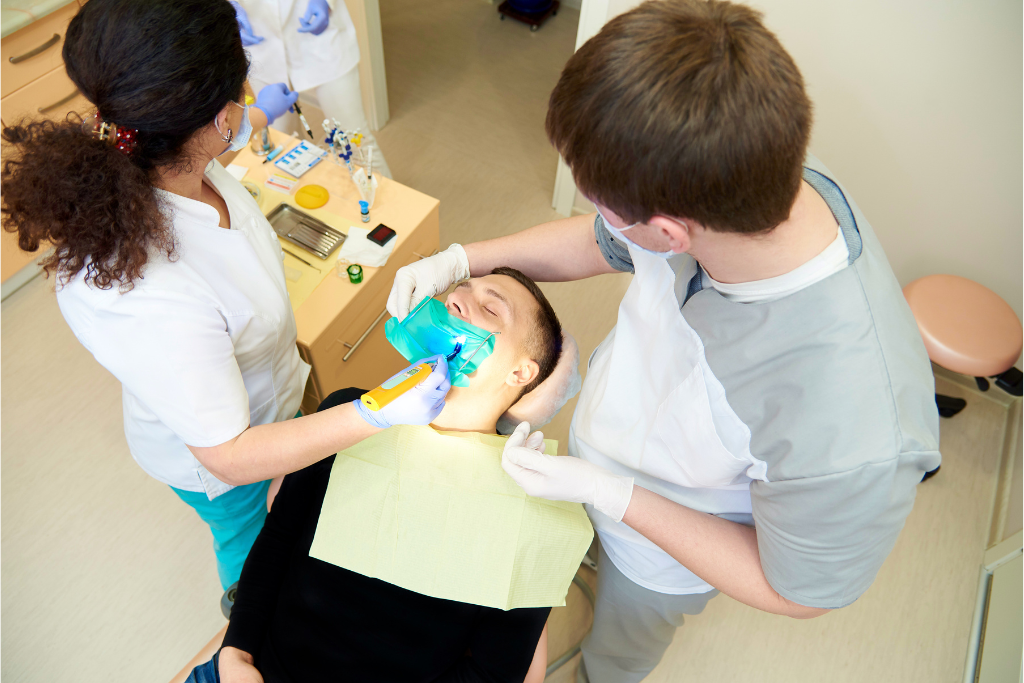
Most patients receive IV sedation for wisdom teeth removal, which makes the experience fully comfortable and anxiety-free. Recovery for adults over 30 typically runs five to seven days for soft-tissue healing, with full bone healing taking longer. Patients searching for wisdom teeth removal near me in Boca Raton are often surprised to learn that age alone does not prevent a successful outcome, though following post-operative instructions carefully avoiding straws, keeping the area clean, and eating soft foods is especially important because the healing process is somewhat less forgiving than in younger patients.
The wisdom teeth removal procedure itself is tailored to each patient’s anatomy. Factors such as root position, impaction depth, and proximity to nearby nerves are carefully evaluated before surgery. Advanced imaging allows the surgical team to plan the safest and most efficient approach.
Pain after surgery should decrease steadily over the first three to four days. If you notice increasing pain after day three (a sign of dry socket), worsening swelling, or fever, contact our office immediately.
Most adult patients are pleasantly surprised by how manageable recovery can be when they follow instructions closely. Adequate rest, hydration, and proper nutrition all contribute to a smoother healing process.
Recovery Tips for Adults
Healing after wisdom teeth removal is typically straightforward, but adults often benefit from taking a slightly more cautious approach during the first week.
A few simple steps can support recovery:
- Stick to soft foods such as yogurt, soups, mashed potatoes, and smoothies during the first few days
- Avoid smoking, drinking through straws, and strenuous exercise until your surgeon clears you to resume normal activities
Following these recommendations can significantly reduce the risk of complications and help you return to your routine sooner.
The Cost of Waiting
Patients who have wisdom teeth removal near me in Boca Raton in their 20s generally recover faster and with fewer complications than those who wait until their 40s. Additionally, problems that develop while wisdom teeth are being “watched” decay in adjacent molars, cysts and bone erosion often require separate treatment on top of the extraction, adding cost and recovery time.
What begins as a relatively straightforward extraction can become more involved if damage occurs to neighboring teeth. In some cases, patients require additional restorative procedures to address decay or periodontal problems that developed because problematic wisdom teeth remained in place for too long.
Another consideration is overall oral health. As we age, preserving healthy teeth becomes increasingly important. A compromised second molar caused by an impacted wisdom tooth may require treatment that could have been avoided with earlier intervention.
South Florida’s warm climate, active lifestyle, and large population of residents who relocated here later in life means we see many patients who never had their wisdom teeth evaluated as young adults. If that’s you, it’s not too late but a current evaluation is a good idea.
The good news is that age alone does not determine whether wisdom teeth should be removed. The decision should be based on your individual anatomy, oral health, symptoms, and radiographic findings. Many adults in their 30s, 40s, and even 50s successfully undergo wisdom teeth extraction and enjoy long-term benefits afterward.
At Boca Raton Oral Surgery Specialists, we guide adult patients through this decision with clarity and expertise. If your wisdom teeth have never been formally evaluated, or if you’ve been told to “keep an eye on them” for years, come in for a consultation. Book your appointment today.
Frequently Asked Questions
Is wisdom teeth removal safe for adults in their 40s or 50s?
Yes. With proper evaluation and sedation, extraction is routinely performed safely in older adults.
My wisdom tooth is partially erupted and doesn’t hurt. Should it come out?
Often yes. Partially erupted teeth are difficult to clean and have a higher risk of infection and decay
What’s the recovery timeline for adults?
Most adults recover within five to ten days and return to normal activities within several days.
Does the wisdom teeth removal procedure require general anesthesia?
Not always. Many adults choose IV sedation for maximum comfort during treatment.