Boca Raton, FL


Tooth pain has a way of showing up at the worst possible times. Whether it’s a dull ache that wakes you up or sudden sharp pain after biting down, knowing whether you’re facing a true dental emergency can feel overwhelming. This practical triage guide is designed for patients in Boca Raton who need clear, calm answers fast. Dr. Josh Roeder and the team at Boca Raton Oral Surgery Specialists are here to help you make sense of your symptoms.
What Counts as a True Dental Emergency in Boca Raton?
Not every toothache requires an emergency visit. However, some symptoms demand immediate attention. Knowing the difference helps you protect your oral health and avoid unnecessary panic.
A true dental emergency typically involves one or more of the following:
- Severe, unrelenting tooth pain that does not respond to over-the-counter pain relief
- Significant swelling in your jaw, face, or gums
- Uncontrolled bleeding that lasts more than 10 to 15 minutes
- A knocked-out or completely displaced tooth
- Signs of infection such as fever, pus, or a bad taste in your mouth
If you experience any of these, contact our office right away. Delaying care for a true emergency can lead to serious complications. When in doubt, it is always better to call and describe your symptoms to a dental professional.
Swelling and Infection — When to Act Immediately
Facial swelling is one of the most urgent warning signs in dentistry. Swelling that spreads toward your neck or eye area can indicate a rapidly spreading infection. This type of situation requires same-day or emergency care without delay.
A dental abscess is a pocket of infection that forms at the root of a tooth or in the surrounding gum tissue. Left untreated, the bacteria can spread into the bloodstream. This is a medical emergency, not just a dental inconvenience.
Milder gum swelling around a single tooth may still be serious. It can signal an abscess forming underneath the surface. Even if pain is manageable, swelling around any tooth should be evaluated promptly by Dr. Roeder or another dental professional.
Tooth Pain Triage — From Mild Ache to Severe Emergency
Not all pain is created equal. Use these general guidelines to triage your tooth pain before deciding your next step.
Mild or intermittent pain that comes and goes may indicate early decay, a cracked tooth, or sensitivity. This warrants a scheduled appointment within a few days. It is not typically an emergency, but it should not be ignored.
Moderate pain that is constant and disrupts eating or sleeping deserves a call to your dentist within 24 hours. This level of discomfort often points to a deeper issue such as pulp inflammation or a developing infection.
Severe or throbbing pain that does not improve with over-the-counter medication is a red flag. Combine that with swelling or fever, and you have a clear dental emergency. Call the office immediately and describe your full set of symptoms.
Here is a quick-reference summary to guide your decision:
- Mild ache, no swelling: Schedule within a few days
- Constant pain, disrupts daily life: Call within 24 hours
- Severe pain, swelling, or fever: Seek same-day emergency care
- Knocked-out tooth: Act within 30 minutes if possible
- Uncontrolled bleeding: Call immediately or go to an ER
Loose Teeth, Bleeding Gums, and Knocked-Out Teeth
A loose permanent tooth is never normal in adults. Whether caused by trauma, advanced gum disease, or an underlying bone issue, a loose tooth requires urgent evaluation. The sooner a dental professional assesses it, the better the chance of saving the tooth.
If a tooth is fully knocked out, act quickly. Pick it up by the crown, not the root. Rinse it gently with water and try to place it back in the socket if possible. If that is not feasible, keep it moist in milk or between your cheek and gum. Time is critical — you have the best chance of saving it within 30 to 60 minutes.
Bleeding gums after brushing may be a sign of gum disease rather than an emergency. However, heavy bleeding that does not stop after applying gentle pressure for 15 minutes warrants immediate attention. Post-extraction bleeding is also something our office takes seriously. Patients who have recently had a Wisdom Teeth Removal Boca Raton procedure should follow all post-op instructions carefully to minimize this risk.
When Tooth Loss Leads to Bigger Decisions
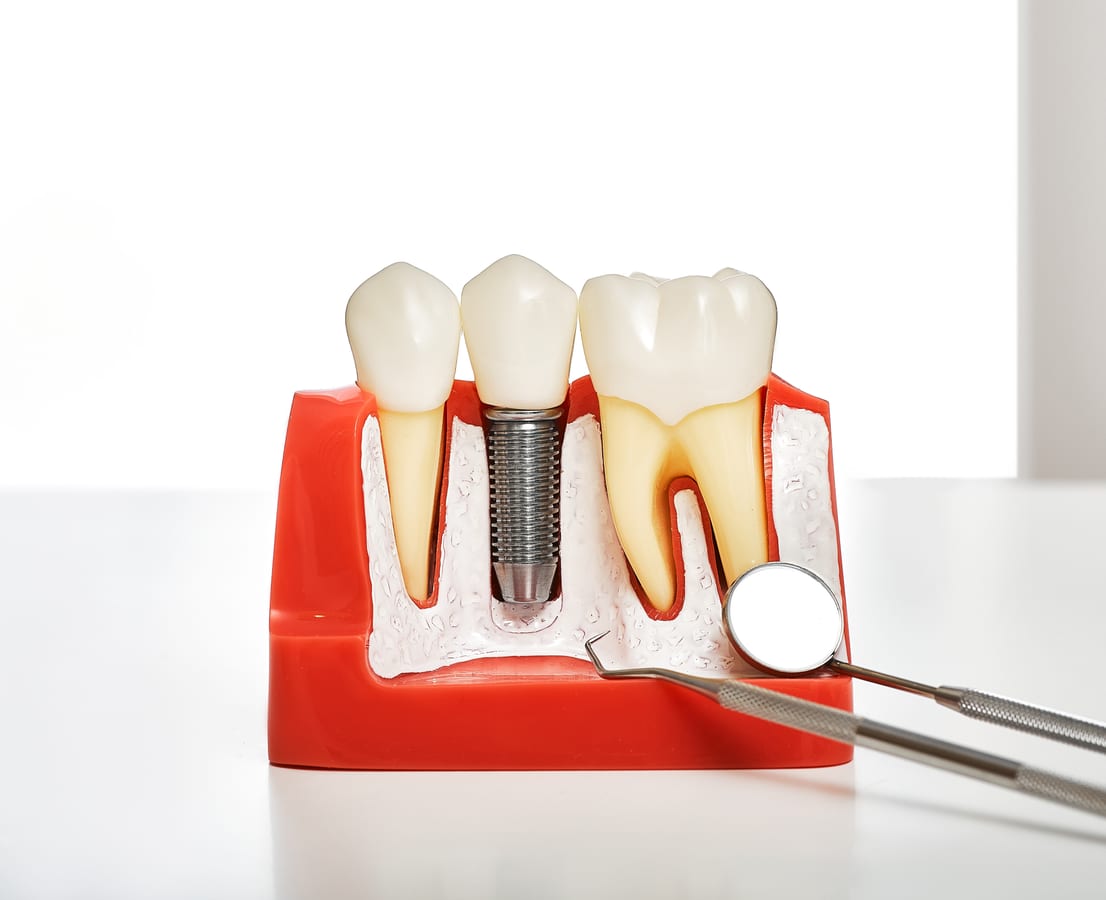
Sometimes a dental emergency results in the loss of a tooth. This can feel devastating, but it opens the door to lasting restorative solutions. Patients who lose a tooth due to trauma, infection, or extraction may be excellent candidates for Dental Implants Boca Raton.
Dental implants replace both the root and the visible crown of a missing tooth. They preserve jawbone, maintain facial structure, and function just like a natural tooth. Dr. Josh Roeder specializes in implant dentistry and can walk you through whether this option is right for you after your emergency is resolved.
Addressing a dental emergency promptly is the first step. Planning for long-term oral health comes next. Our team is here to support you through every stage of that process.
What to Do While You Wait for Your Appointment
If you are waiting to be seen, there are safe steps you can take to manage discomfort at home. These are temporary measures — they do not replace professional care.
- Rinse with warm salt water to reduce bacteria and soothe irritation
- Apply a cold compress to the outside of your cheek to reduce swelling
- Take over-the-counter pain relievers as directed on the label
- Avoid hard, crunchy, or extremely hot foods that could worsen pain
- Do not place aspirin directly on the gum tissue — this can cause burns
If you have a temporary crown that has fallen off, dental cement from a pharmacy can help protect the area. Avoid chewing on that side until you are seen. These simple steps can make a meaningful difference in your comfort level before your appointment.
Conclusion — Trust Your Instincts and Get Checked
When it comes to tooth pain, trusting your instincts matters. If something feels wrong, it probably deserves professional attention. The team at Boca Raton Oral Surgery Specialists is here to assess your symptoms quickly and compassionately. Dr. Josh Roeder brings surgical expertise and a patient-centered approach to every visit. Do not wait until a minor issue becomes a major problem. Book Now to schedule your appointment with our team.
Frequently Asked Questions
How do I know if my tooth pain is a dental emergency?
Severe pain, facial swelling, fever, uncontrolled bleeding, or a knocked-out tooth are all signs of a dental emergency. Mild or intermittent discomfort can usually wait a few days, but you should still call your dentist to describe your symptoms and get guidance.
What should I do if my tooth gets knocked out?
Pick the tooth up by the crown, not the root. Rinse it gently with water and try to reinsert it into the socket. If that is not possible, store it in milk or hold it between your cheek and gum. Contact a dental office immediately — the best outcomes happen within 30 to 60 minutes of the injury.
Can a dental infection spread to other parts of my body?
Yes, an untreated dental abscess can spread bacteria to surrounding tissues and even the bloodstream. This is a serious medical risk. If you have swelling spreading toward your neck or eye, or if you have a high fever alongside tooth pain, seek emergency care right away.
Is bleeding after a tooth extraction normal?
Some bleeding is normal after an extraction, including wisdom tooth removal. Light oozing for the first few hours is expected. However, heavy or uncontrolled bleeding that lasts more than 15 to 20 minutes despite gentle pressure is a reason to contact your oral surgeon immediately.
What happens after a dental emergency if I lose a tooth?
Losing a tooth does not have to be permanent. Once the emergency is resolved and healing is underway, Dr. Josh Roeder can discuss restorative options such as dental implants or implant-supported dentures. These solutions restore function and appearance for long-term oral health.