Boca Raton, FL

Dental implants have one of the highest success rates of any restorative procedure in modern dentistry, and for most patients, they function seamlessly for decades. But what happens when discomfort appears months or even years after your implant was placed? Is that normal? And when does it signal something that needs immediate attention?
These are questions we hear regularly, and they deserve a straightforward answer.
For patients who chose dental implants in Boca Raton, post-placement pain that develops well after the initial healing period is not something to brush off. Dental care following a dental implants procedure isn’t just about the first few weeks it’s ongoing. Patients should continue monitoring the implant site long after treatment is complete to ensure it remains healthy, stable, and pain-free for the long haul.
The reality is that a properly integrated dental implant should not cause persistent discomfort months or years after placement. While occasional sensitivity from surrounding tissues or nearby teeth can occur, recurring pain is often a sign that something needs professional evaluation. The sooner the underlying issue is identified, the easier it is to treat and preserve the implant.
What’s Normal vs. What’s Not
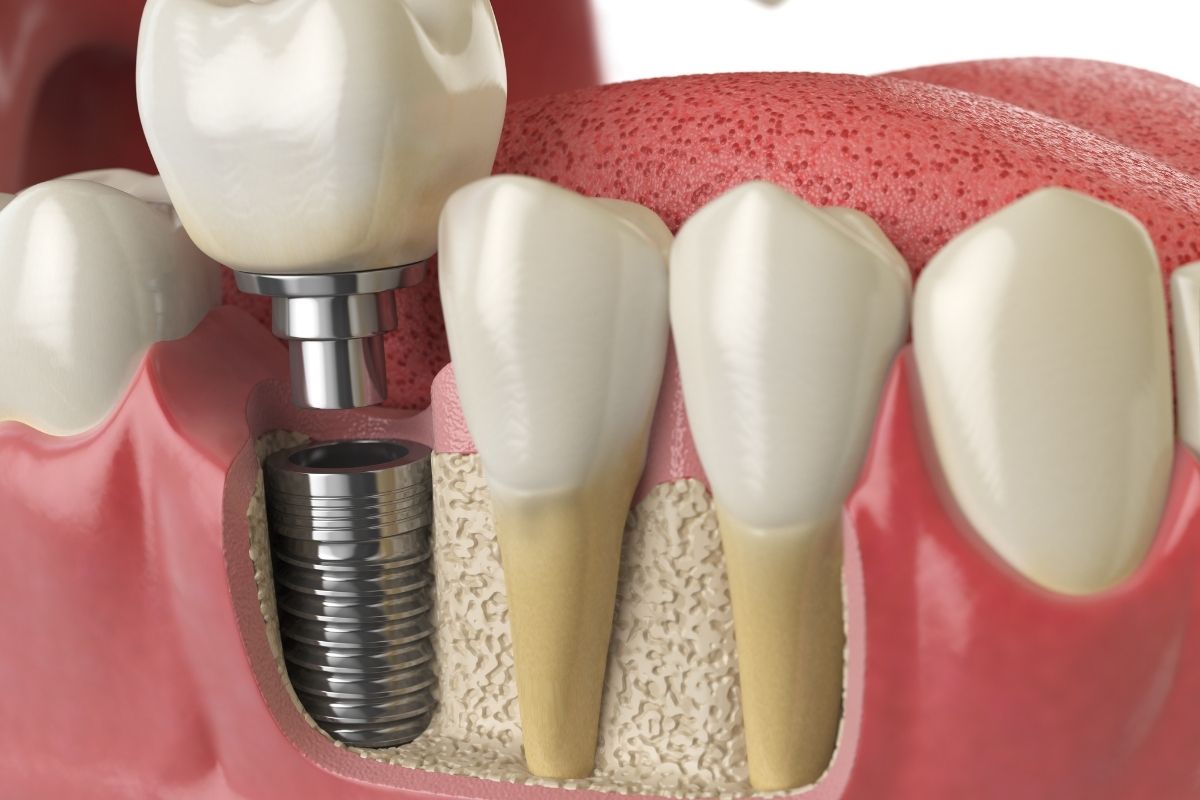
Some soreness in the days immediately following implant surgery is completely expected. Mild swelling, bruising, and aching during the first one to two weeks are normal parts of healing. By the four-to-six-week mark, most patients feel back to normal, and osseointegration, the process by which bone fuses to the titanium post continues quietly in the background over the following months.
Pain that appears or returns after you are fully comfortable is a different matter. New or worsening pain months after placement, particularly if accompanied by swelling, bleeding when you press on the gum, or a feeling that the implant is loose, warrants a same-week evaluation.
Some warning signs that should never be ignored include:
- Persistent pain when chewing or biting
- Swelling, redness, or bleeding around the implant site
Even if these symptoms seem minor at first, they can indicate an underlying issue that may worsen without treatment. Early intervention often helps avoid more extensive procedures later.
Common Causes of Late-Stage Implant Pain
Peri-Implantitis
Peri-implantitis is the most significant cause of late implant problems. It’s essentially the implant equivalent of gum disease, an infection of the tissue and bone surrounding the implant. Left untreated, it causes progressive bone loss and can eventually lead to implant failure.
Patients who smoke, have diabetes, or have a history of periodontal disease are at higher risk. In South Florida’s large retiree population, this is a condition we monitor closely.
One reason peri-implantitis can be problematic is that it often develops gradually. Many patients notice only mild tenderness or occasional bleeding at first, assuming it’s temporary irritation. Unfortunately, by the time significant pain develops, bone loss may already be occurring around the implant.
Occlusal Overload
Occlusal overload occurs when the bite forces on an implant crown are uneven, either because the crown is slightly too high or because the patient’s bite shifted after placement. Over time, this mechanical stress can cause micromotion that disrupts osseointegration and leads to pain with chewing.
Unlike natural teeth, dental implants do not have a periodontal ligament that helps absorb force. This means excessive pressure can have a greater impact on the implant and surrounding bone. A simple bite adjustment is sometimes all that’s needed to resolve the issue.
Loose or Damaged Implant Components
A loose or fractured implant component, the abutment screw that connects the crown to the implant can also cause discomfort that patients often describe as the implant “feeling different” rather than outright pain.
Patients may notice:
- A sensation that the implant crown moves slightly
- Clicking, pressure, or discomfort while eating
Because these symptoms can be subtle, they are sometimes overlooked until the problem progresses. Fortunately, many component-related issues can be corrected without replacing the implant itself when diagnosed early.
Nearby Dental Problems
Not all pain near a dental implant originates from the implant. Cavities, cracked teeth, gum infections, sinus issues in the upper jaw, or even teeth grinding can create symptoms that feel like implant pain.
This is one reason a professional evaluation is important. Diagnostic imaging and a thorough examination help determine whether the implant is actually responsible for the discomfort or if another condition is affecting the area.
Why Boca Raton Patients Should Stay Alert
Boca Raton’s active lifestyle of golf, tennis, outdoor dining along Mizner Park means implant patients are putting their teeth to work every day. Combined with South Florida’s aging population and the prevalence of conditions like diabetes that affect healing, late-stage implant monitoring is genuinely important for individuals with dental implants in Boca Raton.
Annual X-rays of your implant site allow us to catch bone changes before they become symptomatic. These routine evaluations provide valuable insight into implant stability and can identify developing issues long before they become painful.
Patients often assume that if an implant has functioned well for several years, no future maintenance is necessary. In reality, dental implants require many of the same preventive care measures as natural teeth. Consistent oral hygiene, professional cleanings, and regular examinations all contribute to long-term implant success.
When Should You Call an Oral Surgeon?
Any implant-related discomfort that lasts more than a few days deserves attention. While not every case represents an emergency, delaying treatment can increase the likelihood of complications.
You should schedule an evaluation if you experience:
- Pain that develops months or years after implant placement
- Swelling, bleeding, or pus around the implant
- Difficulty chewing comfortably
- A loose-feeling crown or implant
- Sudden changes in how your bite feels
Prompt diagnosis often means more treatment options and a better chance of preserving the implant.
Protecting Your Investment
Dental implants are designed to be a long-term solution for missing teeth, and most patients enjoy decades of reliable function. However, successful outcomes depend on ongoing care and attention to changes in oral health.
Brushing, flossing, routine dental visits, and periodic imaging all play a role in protecting the bone and tissue surrounding the implant. Patients with diabetes, a history of gum disease, or smoking habits may benefit from more frequent monitoring to reduce their risk of complications.
If you’ve had dental implants in Boca Raton and something doesn’t feel right even if it’s been years since your procedure don’t assume it will pass on its own. Contact Boca Raton Oral Surgery Specialists today and let us evaluate what’s going on. Early detection can make the difference between a simple treatment and a more complex repair.
Concerned about implant pain or changes around your dental implant? Schedule an appointment with Boca Raton Oral Surgery Specialists today. Our experienced team can identify the cause of your discomfort, protect your investment, and help keep your smile healthy for years to come.
Frequently Asked Questions
Can an implant fail years after successful placement?
Yes. Late-stage implant failure, usually caused by peri-implantitis, can occur years after placement.
Is it possible the pain is from the crown, not the implant?
Absolutely. Crown damage, bite issues, or nearby teeth can cause similar symptoms.
Can peri-implantitis be treated?
Yes. Early treatment is often highly successful and helps protect surrounding bone.
Does dental implant pain mean the implant needs to come out?
Not necessarily. Many causes of implant pain can be treated without removal.