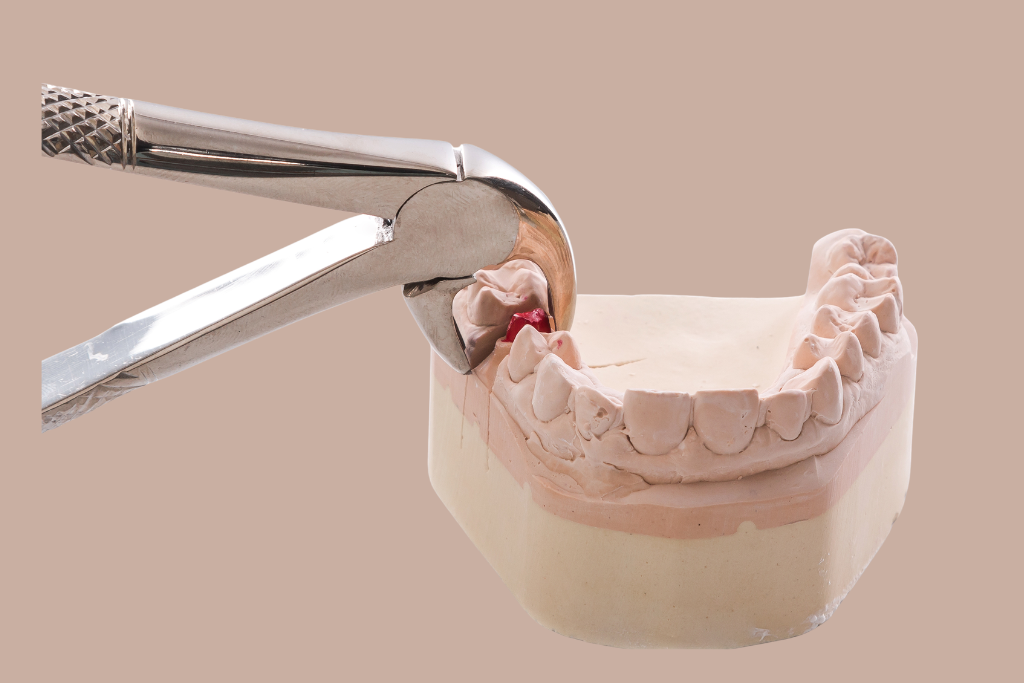
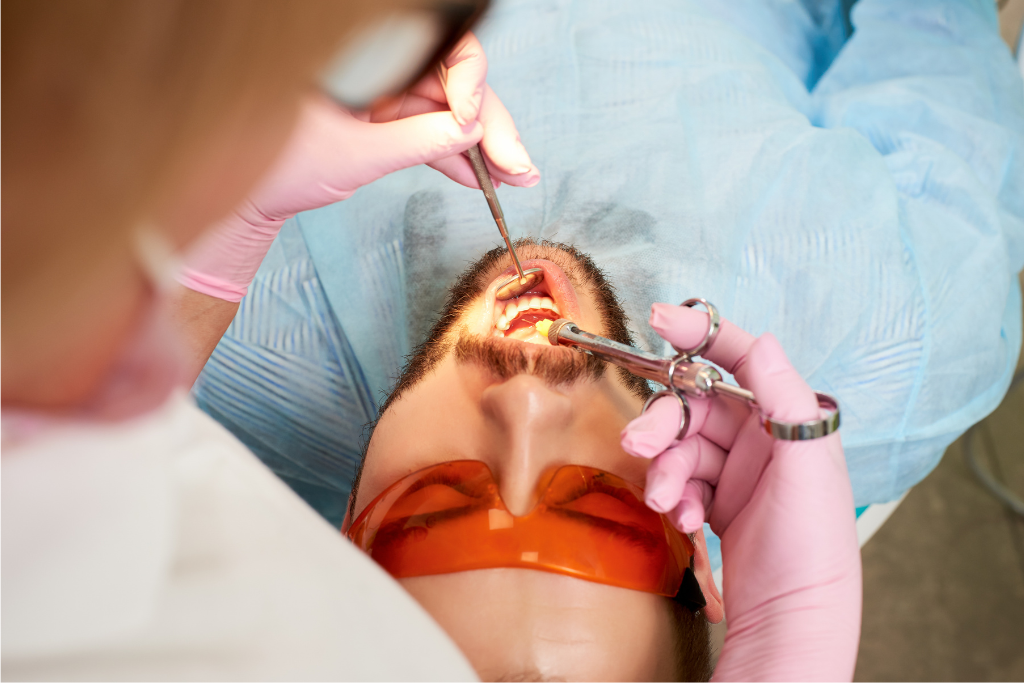
Boca Raton, FL

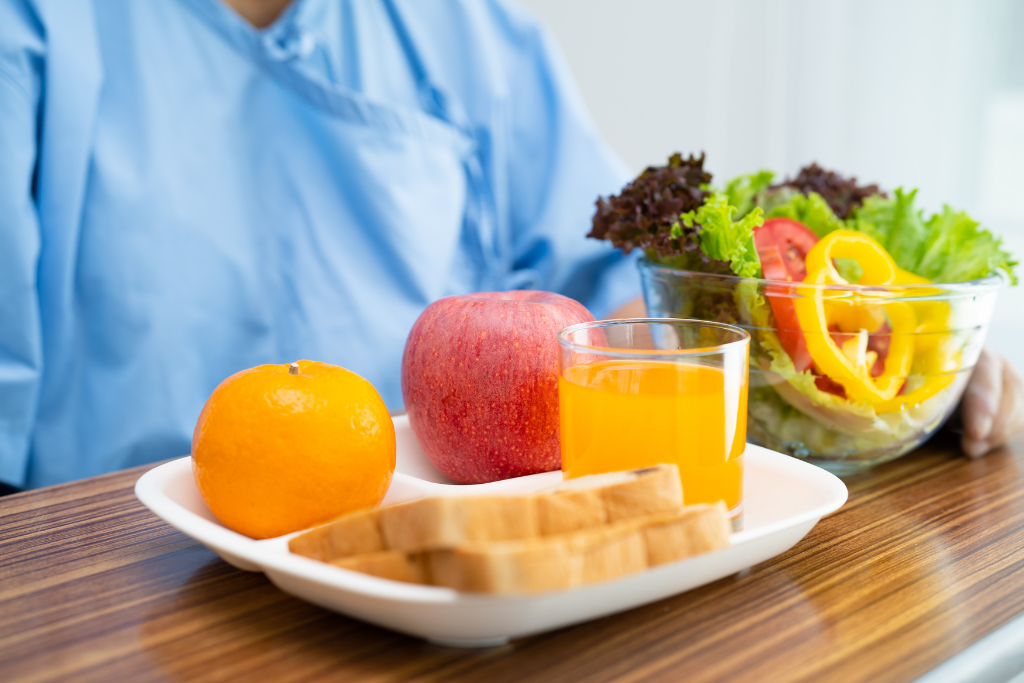
Getting a tooth removed is a common dental procedure, but the recovery period is just as important as the treatment itself. One of the biggest questions patients ask right after the procedure is simple: What can I eat now?
The foods you choose in the first few days after an extraction can directly affect how quickly your mouth heals. Eating the wrong foods may irritate the surgical site, delay healing, or even lead to complications such as dry socket. On the other hand, the right foods can help your body recover comfortably and safely.
Patients often ask our team about the best diet after treatment, especially when preparing for tooth extraction in Boca Raton. Because healing conditions, lifestyle habits, and diet preferences vary, having a clear plan can make recovery easier and less stressful.
Let’s walk through what you can eat, what you should avoid, and how to keep your recovery smooth.
Why Your Diet Matters After a Tooth Extraction
After a tooth is removed, your body forms a protective blood clot in the socket. This clot is essential because it protects the underlying bone and nerves while new tissue begins to grow.
Certain foods or eating habits can disturb that clot and slow healing.
Following a gentle diet helps you:
- Protect the extraction site
- Reduce swelling and discomfort
- Avoid infection or dry socket
- Support faster healing
Patients preparing for tooth extraction are often advised to plan their meals in advance so the recovery period is easier and more comfortable.
Safe Foods to Eat After a Tooth Extraction
During the first few days, the goal is to choose soft, nutritious foods that require little chewing.
Here are some safe options.
1. Smooth Yogurt
Yogurt is soft, cool, and packed with protein. It’s easy to eat and soothing for sensitive gums.
2. Applesauce
Applesauce provides vitamins without requiring chewing. Choose unsweetened versions if possible.
3. Mashed Potatoes
Creamy mashed potatoes are filling and gentle on the mouth. Avoid adding crunchy toppings.
4. Scrambled Eggs
Soft scrambled eggs are a great source of protein and very easy to chew.
5. Smooth Soups
Warm (not hot) soups like pumpkin, tomato, or blended vegetable soups can be comforting and nutritious.
6. Oatmeal
After the first day, soft oatmeal can be a good breakfast option.
7. Smoothies
Fruit smoothies provide vitamins and hydration. Just avoid using a straw, which can disturb the healing clot.
8. Cottage Cheese
This soft dairy option is rich in protein and easy to eat.
Foods You Should Avoid
Certain foods can irritate the surgical area or get trapped in the extraction site. Avoid these foods for at least several days.
Crunchy Foods
Examples include:
- Chips
- Crackers
- Popcorn
- Nuts
These can break into small pieces and get stuck in the socket.
Sticky Foods
Foods such as caramel or chewing gum can pull at the extraction site.
Hard Foods
Avoid foods like:
- Raw vegetables
- Hard bread crusts
- Steak
These require heavy chewing and may cause discomfort.
Spicy Foods
Spices can irritate the healing tissue and cause burning sensations.
Extremely Hot Foods
Very hot foods or drinks can disrupt the blood clot and increase bleeding.
Many patients who undergo tooth extraction in Boca Raton are advised to wait several days before returning to their normal diet.
Simple Tips for Eating Comfortably
Eating after oral surgery doesn’t have to be difficult. A few small adjustments can make a big difference.
Follow these helpful tips:
- Eat slowly and chew on the opposite side of your mouth
- Choose lukewarm foods instead of hot foods
- Drink plenty of water to stay hydrated
- Avoid straws for at least 3–5 days
- Rinse gently with salt water after meals if recommended by your dentist
Planning soft meals ahead of time can make recovery much easier.
A Sample Day of Meals After Extraction
Patients often find it helpful to have a simple meal plan.
Breakfast
- Yogurt
- Soft scrambled eggs
- Smoothie (without straw)
Lunch
- Blended vegetable soup
- Applesauce
Dinner
- Mashed potatoes
- Soft pasta or scrambled eggs
Snacks
- Cottage cheese
- Pudding
- Smooth yogurt
This type of diet keeps nutrition balanced while protecting the healing area.
When Can You Return to Normal Foods?
Healing time varies for every patient.
Most people can slowly begin reintroducing regular foods within 3–7 days, depending on how the extraction site is healing. However, tougher or crunchy foods should still be avoided until your dentist confirms the area has healed properly.
Following professional aftercare instructions is important for a smooth recovery after tooth extraction in Boca Raton.
Signs You Should Contact Your Dentist
While mild discomfort is normal, certain symptoms may require professional attention.
Contact your dental provider if you notice:
- Severe or increasing pain
- Persistent bleeding
- Swelling that worsens after several days
- Fever or signs of infection
- A bad taste that doesn’t go away
Early treatment can prevent complications and ensure proper healing.
Supporting a Smooth Recovery
A tooth extraction is a routine procedure, but the way you care for your mouth afterward plays a big role in healing. Choosing the right foods, avoiding irritating ingredients, and following aftercare instructions can help you recover comfortably and safely.
If you have questions about recovery or need professional care, the experienced team at Boca Raton Oral Surgery Specialists is here to help. Our practice focuses on patient comfort, advanced treatment techniques, and personalized care for every stage of the procedure.
If you’re experiencing dental pain or believe a tooth may need to be removed, schedule a consultation today and take the next step toward a healthier smile.
Frequently Asked Questions
Can I Eat Immediately After A Tooth Extraction?
You should wait until the numbness from anesthesia wears off before eating. Start with soft foods and avoid chewing near the extraction site.
Can I Drink Coffee After An Extraction?
Hot beverages should be avoided for the first 24 hours. Lukewarm drinks are a safer option during early recovery.
Why Can’t I Use A Straw?
Suction from a straw can dislodge the blood clot, leading to a painful condition called dry socket.
How Long Should I Eat Soft Foods?
Most patients stay on a soft-food diet for about 3–5 days, but healing times vary.
What Helps Speed Up Healing?
Proper oral hygiene, a soft diet, hydration, and following your dentist’s aftercare instructions all support faster recovery.