Boca Raton, FL

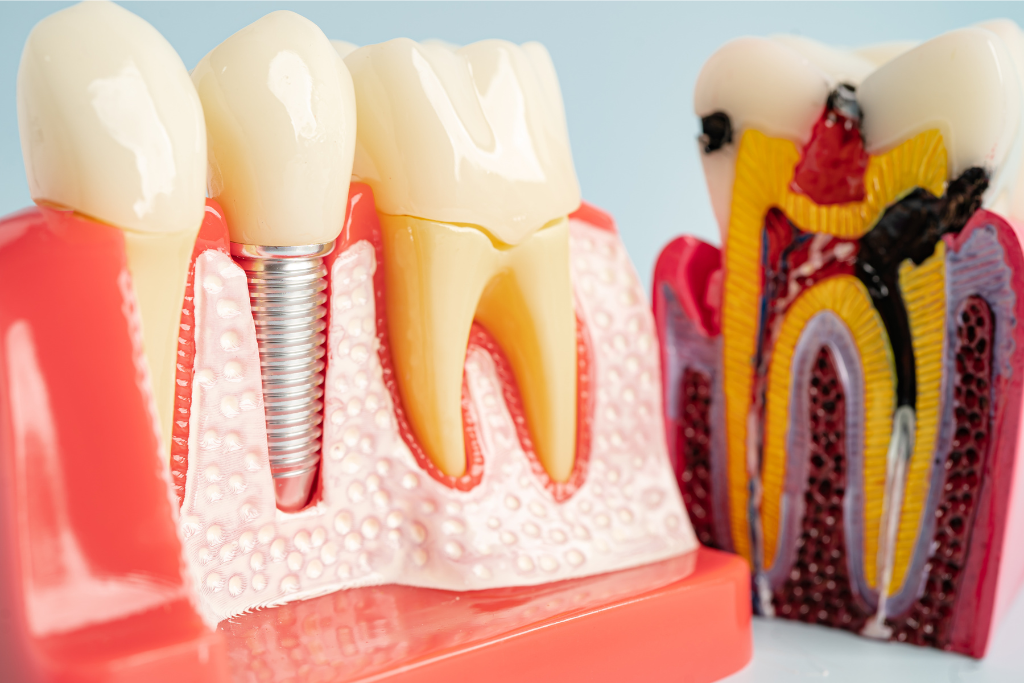
Missing teeth can lead to more than just changes in your smile over time, the jawbone can begin to shrink due to lack of stimulation from the natural tooth root. Many patients believe that if they have bone loss, dental implants may no longer be an option. The good news is that with today’s advanced oral surgery techniques, you can still restore your smile with dental implants even if you’ve lost bone. Treatment options like single tooth implants, implant-supported bridges, and implant-retained dentures provide strong, long-lasting tooth replacement solutions for nearly every smile situation.
How Bone Loss Occurs After Tooth Loss
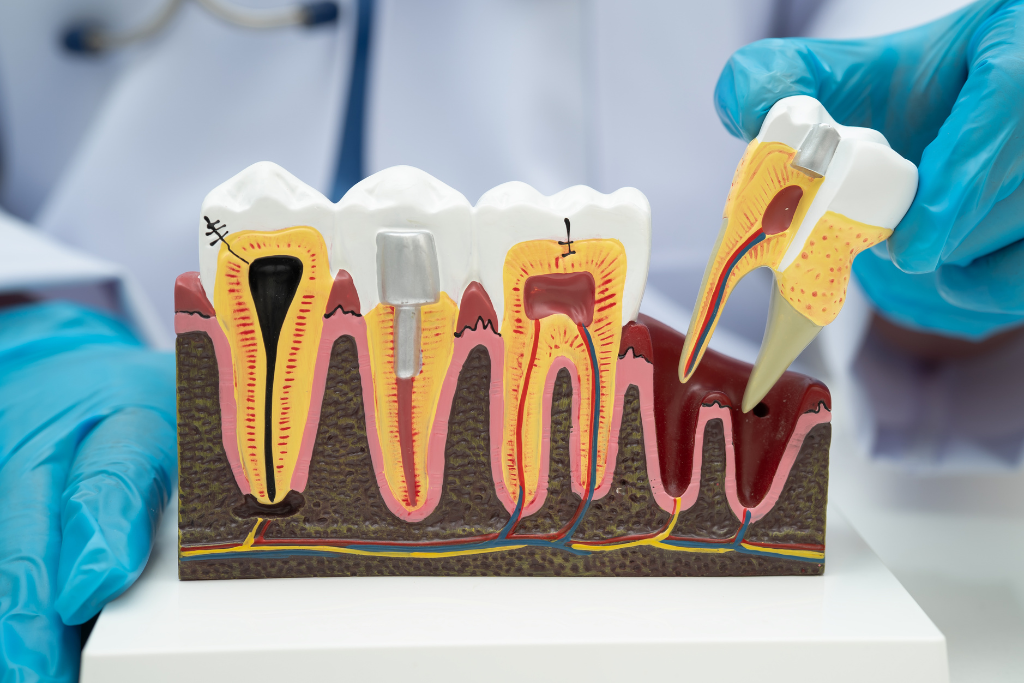
When a tooth is lost, the jawbone underneath is no longer stimulated through activities like chewing. This lack of stimulation causes the bone to deteriorate gradually through a process called bone resorption. Over time, this can lead to facial changes such as a sunken or aged appearance, difficulty wearing dentures, shifting of nearby teeth, and reduced oral function.
Unfortunately, the longer someone waits to replace a missing tooth, the greater the bone loss becomes. That’s why seeking early treatment with dental implants in Boca Raton is one of the best ways to preserve bone health and protect your smile long-term.
Can Dental Implants Work With Bone Loss?
Yes dental implants are still possible even when bone loss is present. An experienced oral surgeon can evaluate your jawbone and recommend techniques to rebuild bone structure or select specialized implant options designed for lower bone volume. Depending on your needs, you may benefit from:
Single Tooth Implants
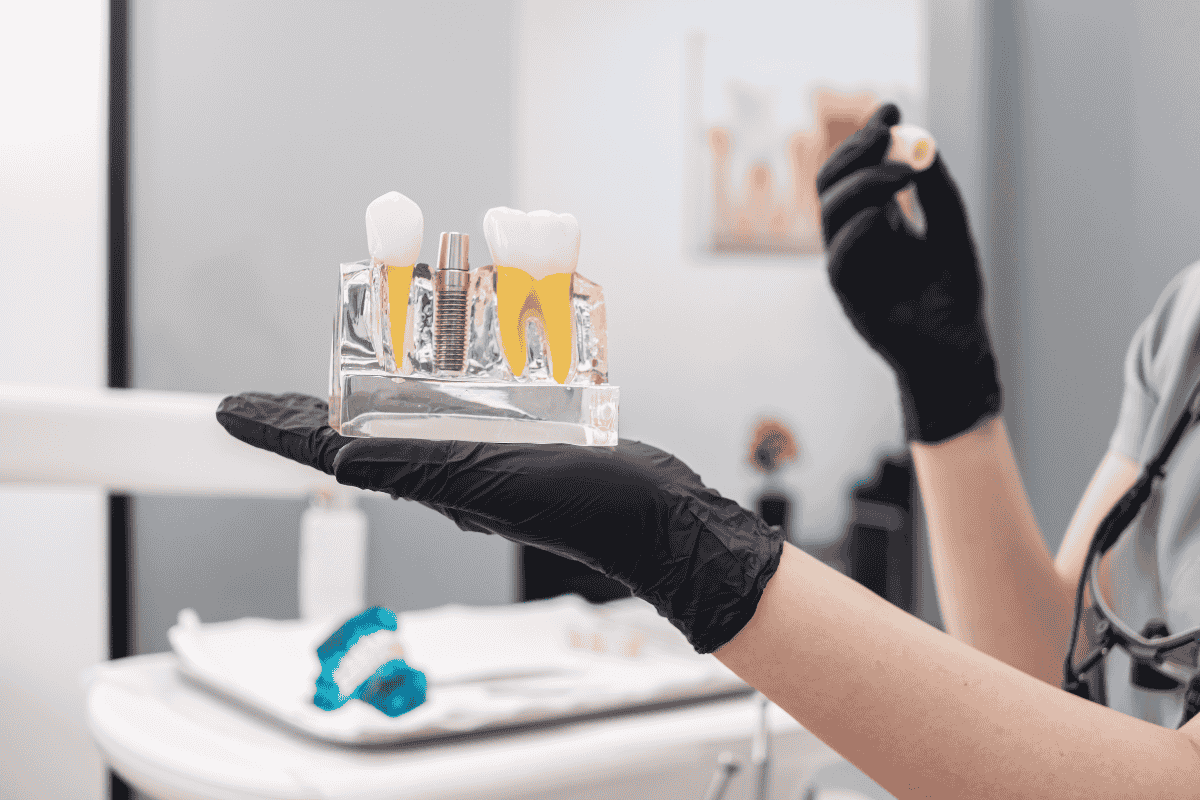
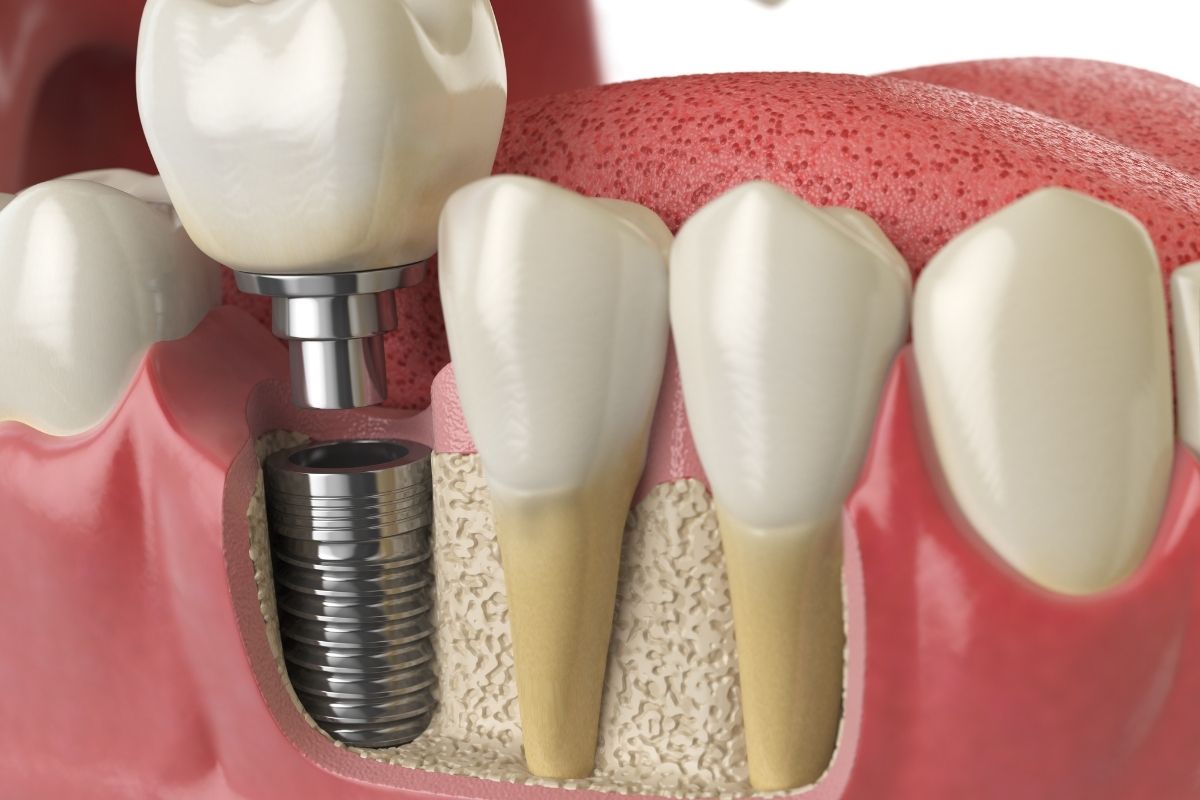
A single tooth implant replaces one missing tooth using a titanium post placed directly into the jawbone. If there is insufficient bone at the site, bone grafting may be performed to restore stability before implant placement. This option looks, feels, and functions like a natural tooth—no need to modify surrounding teeth.
Implant-Supported Bridges
Traditional bridges require grinding down healthy teeth to support the restoration. Implant-supported bridges, however, anchor directly into the jawbone using implants. Even with bone loss, bone grafting or the strategic placement of implants can ensure strong support. This is an excellent choice when multiple teeth in a row are missing.
Implant-Retained Dentures
Patients with extensive bone loss often struggle with poorly fitting dentures. Implant-retained dentures snap securely onto as few as two to four implants, providing stability and prevention of further bone shrinkage. They allow you to chew comfortably, speak clearly, and avoid the worry of dentures slipping out of place.
Bone Grafting and Other Advanced Options
Bone grafting is a widely used technique to rebuild and strengthen areas where the jaw has deteriorated. Over a few months, the grafted material integrates with your natural bone, creating a solid foundation for implants. In some cases, advanced options like zygomatic implants, ridge expansion, or sinus lifts may be recommended to ensure success.
Choosing an experienced specialist is key. Your oral surgeon will guide you through the right approach based on the level of bone loss and your overall oral health.
Restore Your Smile With Dental Implants — Even With Bone Loss
If bone loss has stopped you from considering dental implants, know that modern implant dentistry offers solutions tailored to your needs. Whether you need a single replacement tooth, an implant-supported bridge, or implant-retained dentures, you can regain the confidence of a complete and functional smile.
For expert care with dental implants in Boca Raton, trust Boca Raton Oral Surgery Specialists. Our surgeons use advanced technology to successfully treat even the most complex cases of bone loss. Request an appointment today to discover the best implant solution to restore your oral health and smile function.
FAQs
1. Can dental implants be placed if I have bone loss?
Yes, dental implants are still possible with bone loss. Advanced techniques like bone grafting or specialized implants can restore support for a secure foundation.
2. What causes bone loss after losing a tooth?
Bone loss happens when the jawbone no longer receives stimulation from the natural tooth root. Without chewing pressure, the bone begins to shrink over time.
3. What are the best implant options for bone loss?
Depending on your needs, options may include single tooth implants, implant-supported bridges, or implant-retained dentures — often paired with bone grafting to enhance stability.
4. What is bone grafting for dental implants?
Bone grafting is a procedure that adds or rebuilds bone in areas where the jaw has weakened. This helps create a strong base for implant placement.
5. How long does bone grafting take before implants can be placed?
Healing time varies but typically takes several months for the graft to fully integrate with your natural bone before implant surgery.
6. Are implant-retained dentures a good solution for severe bone loss?
Yes. Implant-retained dentures use a few strategically placed implants to stabilize dentures and prevent further bone shrinkage.
7. Is it better to replace a missing tooth early to prevent bone loss?
Absolutely. The sooner a missing tooth is replaced, the easier it is to preserve jawbone volume and avoid additional treatment later.