

Boca Raton, FL
Why Remove Wisdom Teeth?
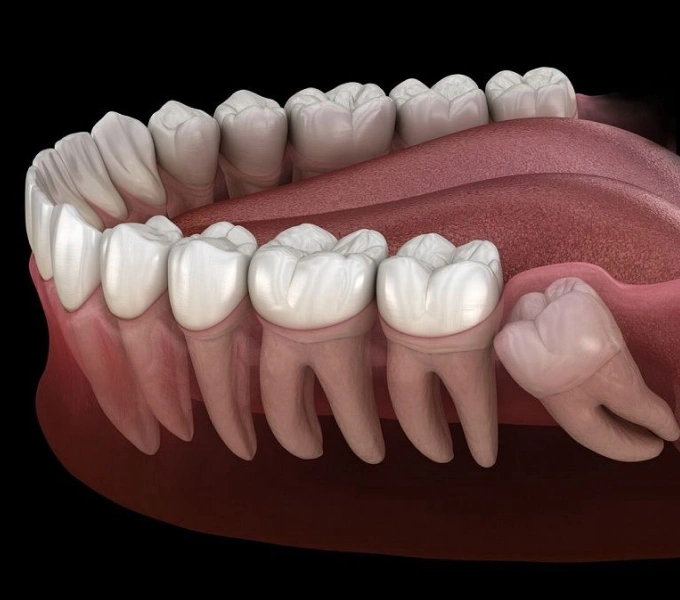
Wisdom teeth are the final set of adult teeth to emerge. When they become impacted due to overcrowding, they can lead to various oral health issues. Because wisdom teeth are difficult to clean, they’re more prone to decay and gum disease. If they erupt partially, the surrounding gum tissue can trap bacteria, leading to infection, swelling, stiffness, pain, and overall discomfort. Our team ensures a comfortable, stress-free removal process while helping protect your long-term oral health.
When Should I Remove Wisdom Teeth?
Many patients experience noticeable relief from discomfort after having their wisdom teeth removed, and the procedure is both quick and safe. Early removal is often recommended to prevent future complications and reduce surgical risks. Even if your wisdom teeth aren’t currently causing pain, leaving them in place can lead to increased chances of decay, infection, and other oral health issues as you age. Removing them proactively helps protect your long-term dental well-being.
Preparation
To get ready for this oral surgery procedure, please follow these preparation guidelines:
- Do not eat or drink anything after midnight before your procedure. Anesthesia on a full stomach can lead to serious complications, including regurgitation and airway obstruction.
- Be honest about any medications or substances you've used. Inform your surgical team of all prescription and over-the-counter medications, as well as any alcohol or recreational drug use, to help avoid dangerous interactions with anesthesia.
- Avoid smoking for at least 12 hours before surgery. Smoking can interfere with anesthesia and slow the healing process.
- Prepare your recovery space in advance. You’ll need to rest at home for a couple of days, so set up a comfortable area to relax.
- Stock up on soft foods. After surgery, stick to gentle options like soup, mashed potatoes, yogurt, applesauce, smoothies, and ice cream to support healing and comfort.
Procedure
The wisdom tooth extraction procedure:
It’s perfectly normal to feel nervous about having your wisdom teeth removed, but rest assured, this is a common and well-practiced procedure. Generally, the steps involved in a wisdom tooth extraction include:
- A small incision is made in the gum to access the tooth and surrounding bone
- Any bone blocking the tooth root is carefully removed
- The tooth may be sectioned into smaller pieces to allow for easier extraction
- Once the tooth is removed, the area is thoroughly cleaned
- If needed, the gum is stitched to support proper healing
- Gauze is placed over the site to help control bleeding and begin the healing process
Aftercare
Wisdom tooth removal aftercare:
Following your oral surgeon’s aftercare instructions is crucial for a smooth and successful recovery after wisdom teeth removal. Some swelling and discomfort are normal, but it’s important not to disrupt the healing process. Certain actions can interfere with the formation of the protective blood clot at the extraction site, increasing the risk of a painful condition called dry socket, which occurs when nerves are exposed due to improper clotting. To help ensure safe and effective healing, keep these general tips in mind:
- Some bleeding is normal on the first day after your procedure. Avoid excessive spitting, as it can dislodge the protective blood clot. Change gauze as instructed by your surgeon.
- Apply ice packs to reduce swelling, which typically improves within two to three days. Take any prescribed or recommended pain medication as directed to manage discomfort.
- Avoid alcohol, carbonated, caffeinated, and hot drinks during the first 24 hours. Never use a straw, as the suction can dislodge the clot and lead to dry socket.
- Stay hydrated with plenty of water, and stick to soft foods for the first 24 hours—like yogurt, applesauce, mashed potatoes, or smoothies. Avoid hard, chewy, spicy, or hot foods until your mouth has healed enough to tolerate them.
- Don’t rinse your mouth, brush your teeth, or use mouthwash within the first 24 hours. After that, brush carefully around the extraction site and rinse gently with warm salt water for up to a week.
- Most importantly, avoid smoking for at least 72 hours after surgery, as it can slow healing and significantly increase the risk of complications.